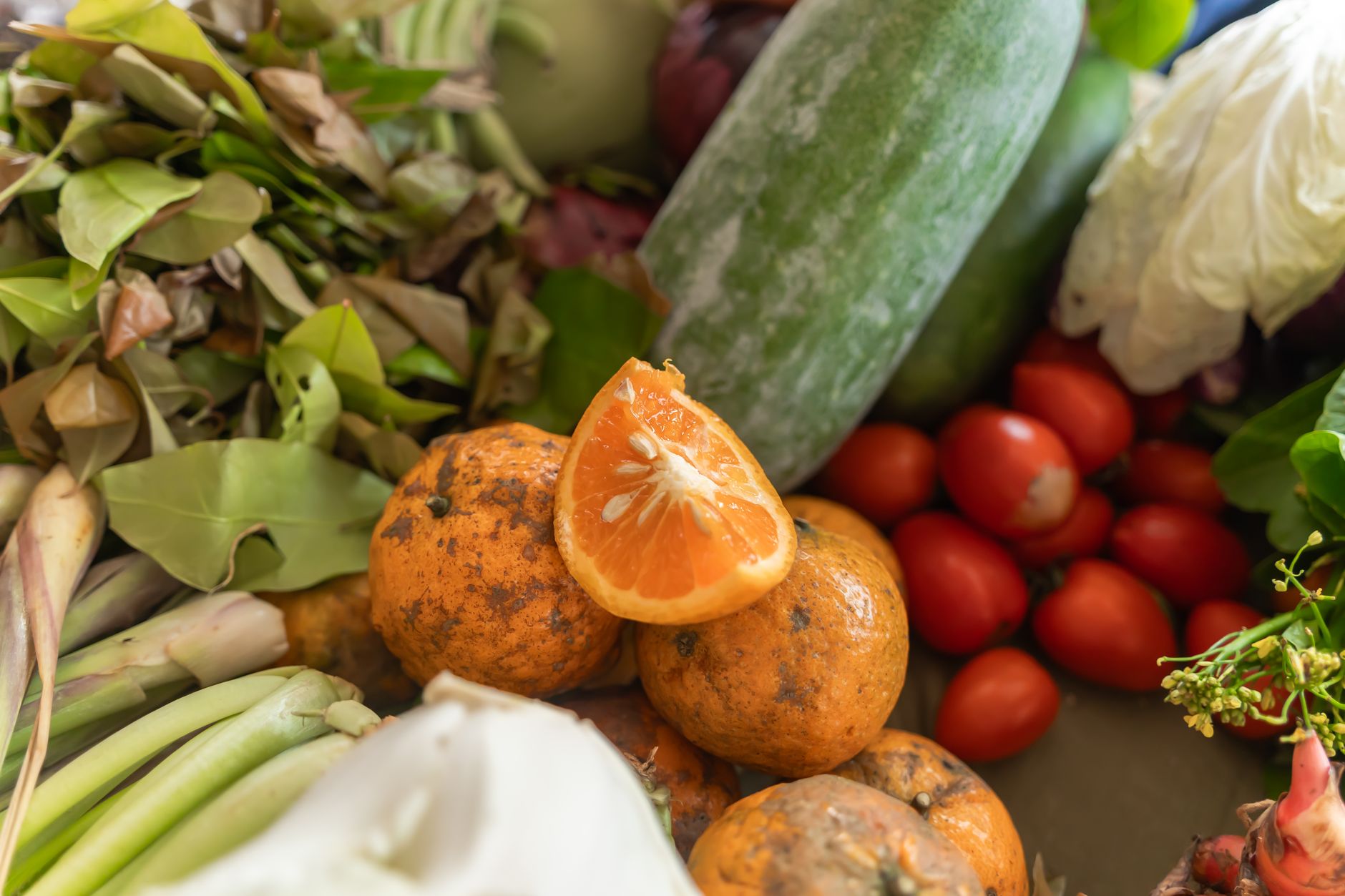
What is the Difference Between Vegan and Vegetarian Diets?
what is the difference between vegan and vegetarian

What is the Difference Between Vegan and Vegetarian Diets?

Understand the fundamental distinctions and shared principles of these popular plant-forward lifestyles to make informed dietary choices.

Explore Your Options

Key Takeaways

  • ✓ Vegetarians avoid meat, poultry, and fish, but may consume dairy, eggs, and honey.
  • ✓ Vegans avoid all animal products and by-products, including dairy, eggs, honey, and often animal-derived ingredients like gelatin.
  • ✓ Both diets are plant-based but differ significantly in the extent of animal product exclusion.
  • ✓ Motivations for adopting either diet include ethics, health, and environmental concerns.

How It Works

1
Define Your Boundaries

Clearly understand what foods are excluded in a vegetarian diet (meat, poultry, fish) versus a vegan diet (all animal products and by-products). This initial clarity is crucial for adherence.

2
Identify Your 'Why'

Reflect on your primary motivations, whether they are ethical considerations for animal welfare, personal health goals, or environmental sustainability. Your 'why' will help you choose the most suitable path.

3
Learn Ingredient Labels

Master the art of reading food labels to identify hidden animal ingredients in processed foods. This is particularly important for vegans to avoid less obvious animal-derived components.

4
Plan for Nutritional Needs

Ensure you are getting all essential nutrients, especially B12, iron, calcium, and omega-3s, which can be more challenging on plant-based diets. Consultation with a dietitian is highly recommended.

Understanding the Core: Vegetarianism Defined

At its heart, vegetarianism is a dietary practice that excludes meat, poultry, and fish. However, this broad definition encompasses several distinct sub-categories, each with its own specific set of accepted and avoided foods. The common thread among all vegetarians is the rejection of animal flesh for consumption. This choice is often rooted in a combination of ethical considerations regarding animal welfare, perceived health benefits, religious beliefs, or environmental concerns. Unlike veganism, vegetarianism typically permits the consumption of certain animal by-products, which is where the primary distinction lies. Let's delve into the nuances of these sub-categories. Lacto-vegetarians, for instance, abstain from meat, poultry, and fish, but include dairy products such as milk, cheese, and yogurt in their diet. This is a very common form of vegetarianism, particularly in cultures where dairy plays a significant role in traditional cuisine. Ovo-vegetarians, on the other hand, avoid meat, poultry, and fish, as well as dairy products, but consume eggs. This choice might stem from a belief that eggs, particularly unfertilized ones, do not involve the same level of ethical concern as dairy production. Then there are Lacto-ovo vegetarians, who embrace both dairy and eggs, alongside their plant-based fare. This is arguably the most prevalent form of vegetarianism in Western societies, offering a wider range of food options and making it easier to meet nutritional needs without extensive supplementation. Beyond these, Pescatarians represent another interesting category, though technically not vegetarians by the strictest definition. Pescatarians avoid all meat and poultry but include fish and seafood in their diet. While they do consume animal flesh, their choice is often driven by health benefits associated with fish (like omega-3 fatty acids) or a lesser ethical concern for aquatic life compared to land animals. Similarly, Flexitarians, or semi-vegetarians, primarily eat a vegetarian diet but occasionally include meat, poultry, or fish. This approach emphasizes flexibility and moderation, aiming to reduce meat consumption without strict adherence to a fully vegetarian lifestyle. Each of these variations highlights the diverse motivations and dietary preferences within the broader vegetarian umbrella, setting the stage for a clearer understanding of plant-based diets and how they differ from veganism. The flexibility within vegetarianism often makes it an accessible entry point for individuals looking to reduce their reliance on animal products without making an immediate, drastic change to their dietary habits. It's a spectrum of choices, rather than a single rigid definition, allowing individuals to align their diet with their personal values and health goals.

Delving Deeper: The Vegan Lifestyle Explained

Veganism takes the principles of vegetarianism a significant step further, extending beyond just dietary choices to encompass a broader lifestyle philosophy. A vegan diet not only excludes all meat, poultry, and fish, but also abstains from any animal products and by-products whatsoever. This includes dairy (milk, cheese, yogurt, butter), eggs, and honey. The core tenet of veganism is the avoidance of animal exploitation and cruelty, which influences choices in food, clothing, cosmetics, and other consumer goods. This comprehensive ethical stance is what truly differentiates veganism from its vegetarian counterparts. The motivations behind adopting a vegan lifestyle are multifaceted and often deeply personal. Ethical concerns for animal welfare are paramount for many vegans, who believe that animals have a right to live free from human exploitation and suffering. This extends to the conditions in which animals are raised for food, dairy, and egg production. Beyond ethics, health is another significant driver. A well-planned vegan diet, rich in fruits, vegetables, whole grains, and legumes, has been linked to numerous health benefits, including a lower risk of heart disease, type 2 diabetes, certain cancers, and obesity. The absence of cholesterol and lower saturated fat content found in many animal products contributes to these health advantages. Furthermore, environmental impact plays a crucial role. Animal agriculture is a major contributor to greenhouse gas emissions, deforestation, water pollution, and land degradation. Vegans often choose their lifestyle as a way to reduce their ecological footprint and promote a more sustainable food system. The practical implications of a vegan diet require careful attention to nutritional planning. While incredibly healthy, a vegan diet can be deficient in certain nutrients if not properly managed. Vitamin B12, exclusively found in animal products or fortified foods, is a critical concern for vegans, often requiring supplementation. Other nutrients like iron, calcium, vitamin D, iodine, and omega-3 fatty acids also need mindful consideration to ensure adequate intake through plant-based sources or supplements. This thorough approach to nutrient intake is vital for maintaining optimal health on a vegan diet. The commitment to avoiding all animal by-products also means scrutinizing ingredient labels for hidden animal derivatives like gelatin (from animal bones/skin), casein and whey (milk proteins), and cochineal (red dye from insects). This level of vigilance highlights the depth of commitment required for a truly vegan lifestyle, extending far beyond simply avoiding visible animal products. The vegan philosophy often permeates all aspects of life, from the food on one's plate to the clothes on one's back, reflecting a holistic commitment to minimizing harm to animals and the planet.

Key Differences: Beyond the Plate

While both vegan and vegetarian diets share the common ground of being largely plant-based and excluding meat, the fundamental distinctions lie in the breadth of their exclusions and the underlying philosophical motivations. The most obvious difference, as discussed, is the inclusion or exclusion of animal by-products like dairy, eggs, and honey. Vegetarians, in their various forms, generally permit these, whereas vegans strictly avoid them. This seemingly small distinction has significant implications for food choices, dining out, and even the products used in daily life. However, the divergence extends beyond just food. Veganism, for many, is a comprehensive lifestyle choice that seeks to exclude all forms of animal exploitation and cruelty, not just in diet. This means that a vegan might also avoid leather, wool, silk, and down in clothing and accessories, opting instead for plant-based or synthetic alternatives. Cosmetics and personal care products are also scrutinized to ensure they are not tested on animals and do not contain animal-derived ingredients. Even household products, medications, and entertainment choices (like zoos or circuses that use animals) can fall under the vegan ethical umbrella. This holistic approach is a defining characteristic of the vegan lifestyle, making it a more expansive commitment than a purely vegetarian diet. The motivations often underscore these differences. While health and environmental benefits are significant for both groups, the ethical dimension tends to be more pronounced and all-encompassing for vegans. For a vegetarian, concerns might primarily revolve around the direct slaughter of animals for meat. For a vegan, the ethical concerns extend to the entire industrial system that uses animals for any purpose, including milk and egg production, which are seen as inherently exploitative. This deeper ethical stance drives the comprehensive avoidance of animal products and by-products in all facets of life. Nutritional considerations also present distinct challenges. While both diets require careful planning to ensure adequate nutrient intake, vegans face a more limited pool of food sources for certain nutrients, particularly Vitamin B12, which necessitates supplementation or reliance on fortified foods. Iron, calcium, and omega-3s can also be more challenging to obtain in sufficient quantities from a purely plant-based diet without careful planning and diverse food choices. Vegetarians, with the inclusion of dairy and eggs, have more readily available sources for some of these nutrients, making their dietary planning somewhat less complex. Understanding these nuances is crucial for anyone considering a shift towards either a vegetarian or vegan lifestyle, ensuring they can meet their nutritional needs and align their choices with their personal values. For further reading on specific nutritional aspects, you might explore resources on nutrient planning for plant-based diets.

Making Your Choice: Tips for Transitioning and Thriving

Deciding between a vegetarian and a vegan lifestyle is a deeply personal journey, influenced by a myriad of factors including health goals, ethical convictions, environmental concerns, and cultural background. There's no single 'right' answer, as both paths offer significant benefits and require thoughtful consideration. The key is to choose the approach that best aligns with your values, health needs, and practical capabilities, ensuring that your dietary choices are sustainable and enjoyable in the long term. If you're considering transitioning to either diet, starting slowly can often be the most effective approach. For those leaning towards vegetarianism, a gradual reduction of meat consumption might involve incorporating 'Meatless Mondays' or replacing one meal per day with a plant-based alternative. Experiment with different vegetarian recipes and explore the vast array of fruits, vegetables, grains, and legumes available. If veganism is your goal, you might first eliminate red meat, then poultry, then fish, and finally dairy and eggs. This phased approach allows your palate to adapt and gives you time to discover new ingredients and cooking methods, preventing feelings of deprivation or being overwhelmed. Education is paramount for thriving on a plant-based diet. Researching nutritional needs and potential deficiencies is crucial. For vegans, particular attention should be paid to Vitamin B12, which is not reliably available from plant sources and typically requires supplementation. Iron, calcium, Vitamin D, iodine, and omega-3 fatty acids are other nutrients that need careful monitoring and strategic food choices or fortification. For vegetarians, while dairy and eggs provide some of these, it's still wise to ensure a varied diet rich in whole foods. Consulting with a registered dietitian specializing in plant-based nutrition can provide personalized guidance and help ensure you meet all your dietary requirements. Building a strong support system can also make a significant difference. Connect with online communities, local groups, or friends and family who share similar dietary interests. Sharing recipes, tips, and experiences can be incredibly motivating and helpful. Don't be afraid to experiment in the kitchen; there are countless delicious plant-based recipes available online and in cookbooks. Embrace new flavors and ingredients, and view this transition as an exciting culinary adventure rather than a restrictive diet. Remember, perfection isn't the goal; consistency and mindful choices are what truly matter. Even small steps towards reducing animal product consumption can have a positive impact on your health, the environment, and animal welfare. Focus on progress, not perfection, and celebrate every plant-based meal you enjoy.

Comparison

FeatureVegan DietVegetarian Diet (Lacto-ovo)Pescatarian Diet
Meat, Poultry, FishNoNoNo (but includes fish)
Dairy ProductsNoYesYes
EggsNoYesYes
HoneyNoOften No (ethical vegans)Yes
Animal By-products (e.g., gelatin)NoOften YesOften Yes
Clothing/Lifestyle ConsiderationsExtensive (leather, wool, etc. avoided)Dietary focus, less lifestyleDietary focus, less lifestyle
B12 SupplementationGenerally requiredOptional (if dairy/eggs are limited)Less likely needed
Ethical ScopeBroad (all animal exploitation)Narrower (focus on meat/fish)Narrower (focus on meat/poultry)

What Readers Say

"This article finally clarified what is the difference between vegan and vegetarian in a way that truly made sense. I always thought they were the same, but now I understand the nuances."

Sarah P. · Austin, TX

"As someone considering a plant-based diet, this breakdown was incredibly helpful. It really outlines the ethical and practical distinctions, making my decision easier."

Mark D. · Seattle, WA

"After reading this, I feel much more confident in explaining to my friends what is the difference between vegan and vegetarian. The comparison table was particularly useful for a quick reference."

Jessica L. · Miami, FL

"The article is very informative, though I wish it had a bit more on specific nutrient planning for each. Still, it's a solid foundation for understanding the core differences."

David R. · Denver, CO

"I've been vegetarian for years, and this article helped me understand the vegan perspective much better. It's a great resource for anyone exploring plant-based living."

Emily S. · Chicago, IL

Frequently Asked Questions

What is the single biggest difference between vegan and vegetarian?

The single biggest difference is that vegetarians avoid meat, poultry, and fish, but may still consume animal by-products like dairy, eggs, and honey. Vegans, on the other hand, avoid all animal products and by-products whatsoever, extending their philosophy to exclude anything derived from animals in their diet and often their lifestyle.

Is one diet healthier than the other?

Both well-planned vegetarian and vegan diets can be incredibly healthy and offer numerous benefits. The 'healthier' option depends on individual nutritional planning and adherence. Vegan diets, when not well-planned, can be deficient in certain nutrients like B12, but can also lead to lower rates of certain chronic diseases due to the complete absence of animal fats and cholesterol. A balanced approach is key for both.

How do I ensure I get enough protein on a vegan or vegetarian diet?

To ensure adequate protein on a vegan or vegetarian diet, focus on incorporating a variety of plant-based protein sources daily. These include legumes (beans, lentils, chickpeas), tofu, tempeh, edamame, nuts, seeds, quinoa, and whole grains. For vegetarians, dairy and eggs also contribute significantly. Combining different plant proteins throughout the day helps ensure a complete amino acid profile.

What is the cost difference between eating vegan and vegetarian?

The cost of eating vegan or vegetarian can vary widely based on food choices. Focusing on whole, unprocessed plant foods like beans, lentils, rice, and seasonal vegetables can be very inexpensive. However, if relying heavily on specialty vegan meats, cheeses, and processed foods, costs can be higher. Generally, a whole-food plant-based diet, whether vegan or vegetarian, can be more affordable than a meat-heavy diet.

Are there ethical differences between dairy/egg consumption and meat consumption?

For many, yes. Vegetarians often believe that consuming dairy and eggs, especially from ethical or free-range sources, does not involve the same level of ethical concern as the slaughter of animals for meat. Vegans, however, argue that the dairy and egg industries still involve animal exploitation, suffering, and eventual slaughter of animals, making their consumption ethically inconsistent with a philosophy of animal liberation.

Who should consider a vegan versus a vegetarian diet?

Individuals whose primary motivation is animal welfare, environmental impact, and who are committed to a comprehensive lifestyle free of all animal exploitation, should consider a vegan diet. Those seeking health benefits, reducing their environmental footprint, or adhering to religious beliefs that forbid meat, but are comfortable with consuming dairy and eggs, might find a vegetarian diet more suitable and easier to maintain.

Are there any risks associated with either diet?

The primary risks for both diets, particularly veganism, stem from potential nutritional deficiencies if not properly planned. Vegans face a higher risk of B12 deficiency (requiring supplementation), and both groups need to ensure adequate intake of iron, calcium, vitamin D, and omega-3s. With careful planning, diverse food choices, and potentially supplementation, these risks are largely mitigated.

What are the future trends for plant-based eating?

Future trends for plant-based eating point towards continued growth and innovation. Expect to see more diverse and sophisticated plant-based meat and dairy alternatives, increasing availability of vegan options in mainstream restaurants and grocery stores, and a greater societal understanding and acceptance of plant-forward diets driven by health, ethical, and environmental concerns. Personalized nutrition advice for plant-based diets will also become more prevalent.

Now that you understand what is the difference between vegan and vegetarian, you're better equipped to make informed choices for your diet and lifestyle. Whether you lean towards vegetarianism or embrace veganism, embarking on a plant-based journey can be a rewarding step for your health, the planet, and animal welfare. Explore the possibilities and find the path that resonates most with you.

Topics: what is the difference between vegan and vegetarianvegan diet vs vegetarian dietplant-based eatingethical food choiceshealth benefits of veganism
Leo List
Brampton weed
Adultwork