✓ Meal prepping saves an average of 3-5 hours per week on cooking.
✓ Individuals who meal prep are more likely to consume fewer calories and more nutritious foods.
✓ Proper meal prep can reduce food waste by up to 25%.
✓ Studies show meal prepping is linked to a lower BMI and healthier dietary patterns.
How It Works
1
Plan Your Weekly Menu
Decide on your breakfasts, lunches, dinners, and snacks for the week ahead. Focus on balanced meals rich in protein, fiber, and healthy fats.
2
Shop Smartly
Create a detailed grocery list based on your planned menu to avoid impulse buys. Stick to the perimeter of the grocery store for fresh produce and whole foods.
3
Prep & Cook in Batches
Dedicate a few hours, usually on a weekend, to chop vegetables, cook grains, and prepare proteins. This streamlines daily meal assembly.
4
Portion & Store
Divide your prepared meals into individual, airtight containers. This ensures proper portion control and easy grab-and-go access throughout the week.
The Foundation of Effective Weight Loss Meal Prep
Photo: Nataliya Vaitkevich / Pexels
Embarking on a weight loss journey often feels daunting, but incorporating meal prep into your routine can be a game-changer. It's not just about cooking in advance; it's about strategic planning that empowers you to make healthier food choices consistently. The core principle of effective weight loss meal prep revolves around consistency, portion control, and nutrient density. When you pre-plan your meals, you eliminate the daily dilemma of 'what's for dinner?' which often leads to impulsive, less healthy food choices like takeout or highly processed options. This proactive approach significantly reduces your exposure to unhealthy temptations and ensures you have nourishing, balanced meals readily available.
Successful meal prep for weight loss starts with understanding your body's needs. This means calculating your approximate daily caloric intake for weight loss, which typically involves a moderate deficit from your maintenance calories. While precise tracking isn't always necessary for everyone, having a general idea helps in portioning. Focus on meals that are high in lean protein, rich in fiber from vegetables and whole grains, and include healthy fats. These components are crucial because protein and fiber promote satiety, keeping you feeling full longer and reducing the urge to snack unnecessarily. Healthy fats, found in avocados, nuts, and olive oil, are essential for hormone function and nutrient absorption, contributing to overall well-being and sustained energy.
Another critical aspect is variety. While consistency is key, eating the same bland meals day in and day out can lead to burnout and a lack of adherence. Incorporate a diverse range of colorful vegetables, different protein sources (chicken, fish, legumes, tofu), and various whole grains (quinoa, brown rice, farro). This not only provides a wider spectrum of vitamins and minerals but also keeps your palate engaged and prevents boredom. Think about theme nights for variety – 'Meatless Monday' or 'Taco Tuesday' can easily be adapted for healthy meal prep. Remember, meal prep is a tool to support your weight loss goals, not a rigid prison sentence. Flexibility and enjoyment are vital for long-term success. Consider exploring healthy eating habits to complement your meal prep efforts.
Finally, equip yourself with the right tools. Quality food storage containers (BPA-free, microwave-safe, and freezer-safe) are essential for keeping your prepped meals fresh and organized. A good set of knives, cutting boards, and perhaps a slow cooker or instant pot can streamline the cooking process significantly. Investing a little upfront in these tools will save you time and effort in the long run, making your meal prep sessions more efficient and enjoyable. Remember, the goal is to create a sustainable system that integrates seamlessly into your life, making healthy eating the default rather than the exception. By laying this solid foundation, you set yourself up for consistent progress towards your weight loss objectives.
Delicious & Nutrient-Dense Meal Prep Ideas for All Meals
Photo: Ella Olsson / Pexels
When it comes to weight loss, every meal counts, and thoughtful planning ensures you're fueling your body optimally throughout the day. Let's dive into some practical and delicious meal prep ideas for breakfast, lunch, and dinner, along with smart snack options that will keep you satisfied and on track.
For **Breakfast**, think quick, nutritious, and filling. Overnight oats are a classic for a reason: combine rolled oats, chia seeds, a splash of milk (dairy or non-dairy), and your favorite protein powder or Greek yogurt for extra protein. Add berries for antioxidants and a touch of sweetness. Prepare 3-4 portions in individual jars on Sunday, and you have grab-and-go breakfasts for half the week. Another fantastic option is egg muffins. Whisk eggs with chopped vegetables (spinach, bell peppers, onions) and a sprinkle of low-fat cheese, then bake in muffin tins. These are perfect for reheating or eating cold. You can also prepare a large batch of hard-boiled eggs for a quick protein boost.
**Lunch** is where many people falter, often resorting to unhealthy takeout. Meal prepping transforms this. Mason jar salads are visually appealing and prevent sogginess: layer dressing at the bottom, then hard vegetables (carrots, cucumbers), grains (quinoa, brown rice), protein (grilled chicken, chickpeas, lentils), softer vegetables (tomatoes, bell peppers), and finally, leafy greens on top. When ready to eat, just shake and enjoy. Another excellent lunch idea is a grain bowl. Cook a large batch of quinoa or brown rice, roast a tray of mixed vegetables (broccoli, sweet potatoes, zucchini), and grill some chicken breast or bake salmon. Portion these components into containers, adding a healthy dressing like a lemon-tahini or apple cider vinaigrette. Soups and stews are also fantastic for lunch prep, especially during colder months. Make a big pot of lentil soup or chicken vegetable soup and portion it out.
For **Dinner**, the focus remains on balanced meals that are satisfying but not overly heavy. Sheet pan dinners are a busy weeknight hero and perfect for prep. Toss your favorite protein (chicken thighs, salmon fillets, tofu) with an array of vegetables (asparagus, bell peppers, Brussels sprouts) and seasonings, then roast everything on one pan. Once cooked, divide into containers. Another strategy is to cook separate components in bulk: grill a large batch of chicken or turkey meatballs, roast a pan of sweet potatoes, and steam a huge quantity of green beans or broccoli. Then, mix and match throughout the week to create different meal combinations. Chili or turkey meatloaf can also be prepared in advance and portioned for easy reheating.
Don't forget about **Snacks**! Smart snacking prevents overeating at main meals. Portion out nuts and seeds (almonds, walnuts, pumpkin seeds), pre-cut vegetables with hummus, Greek yogurt with a few berries, or apple slices with a tablespoon of peanut butter. These small, nutrient-dense snacks keep your metabolism active and energy levels stable. By integrating these diverse meal prep ideas, you'll find that healthy eating for weight loss becomes not only achievable but also genuinely enjoyable.
Strategic Shopping, Storage & Time-Saving Hacks
Photo: RDNE Stock project / Pexels
Efficient meal prep for weight loss isn't just about cooking; it's a holistic process that begins even before you step into the kitchen. Strategic shopping and proper storage are fundamental to making your efforts sustainable, while time-saving hacks ensure you can fit meal prep into even the busiest schedules. Mastering these elements will significantly streamline your weekly routine and keep you consistently aligned with your health goals.
**Strategic Shopping:** Before you even think about setting foot in a grocery store, a well-thought-out meal plan is your compass. Base your grocery list entirely on your weekly meal plan, including specific quantities. This prevents impulse buys of unhealthy items and reduces food waste. When at the store, prioritize the perimeter: this is where you'll find fresh produce, lean proteins, and dairy. Venture into the inner aisles primarily for whole grains, spices, and healthy pantry staples. Look for sales on staple items like chicken breast, eggs, or seasonal vegetables to maximize your budget. Don't be afraid to buy frozen fruits and vegetables; they are often just as nutritious, more convenient, and can be more cost-effective, especially for items out of season. Consider buying in bulk for non-perishable items like oats, quinoa, or nuts, but ensure you have proper storage at home to maintain freshness. Learning to read food labels can also guide you toward healthier choices.
**Optimal Storage:** The longevity and safety of your prepped meals heavily depend on how you store them. Invest in a good set of airtight, BPA-free containers. Glass containers are excellent as they are microwave-safe, oven-safe, and don't absorb food odors or stains. For freezing, consider silicone bags or freezer-safe plastic containers. Labeling your containers with the meal name and date of preparation is crucial for food safety and organization. Most prepped meals will last 3-4 days in the refrigerator. If you're prepping for a full week, plan to freeze some portions immediately after cooling. This is particularly useful for soups, stews, and cooked grains. When reheating, ensure food reaches an internal temperature of 165°F (74°C) to kill any potential bacteria.
**Time-Saving Hacks:** Your time is valuable, and these hacks will make meal prep less of a chore. **Batch Cook Staples:** Dedicate one day, typically a weekend, to cooking large quantities of staple ingredients. This could include roasting a big tray of vegetables, cooking a pot of brown rice or quinoa, grilling a few chicken breasts, or hard-boiling a dozen eggs. Once these components are ready, assembling meals throughout the week becomes a quick mix-and-match process. **Utilize Kitchen Appliances:** Your slow cooker, Instant Pot, and air fryer are your best friends. A slow cooker can make shredded chicken or beef while you're at work. An Instant Pot can cook grains and legumes in a fraction of the time. An air fryer can crisp up vegetables quickly. **Pre-Chop and Pre-Wash:** As soon as you get home from the grocery store, wash and chop all your produce. Store pre-cut veggies in airtight containers or bags so they're ready to add to meals. **Simplify Recipes:** Don't aim for gourmet meals every time. Focus on simple, wholesome recipes with minimal ingredients and steps. Sometimes, a simple protein, a carb, and a vegetable are all you need. **Double Recipes:** When you find a healthy recipe you love, double or triple it. Eat one portion immediately and freeze the rest for future meals. By integrating these strategies, meal prep transforms from a burdensome task into an empowering habit that supports your weight loss goals with minimal stress.
Common Meal Prep Mistakes & How to Avoid Them
While meal prepping is a powerful tool for weight loss, it's easy to fall into common pitfalls that can derail your efforts. Recognizing these mistakes and knowing how to avoid them is key to a successful and sustainable meal prep routine.
**1. Lack of Variety:** Eating the same meal every day can lead to boredom and cravings, making you more likely to abandon your prep.
* **Solution:** Plan for variety! Rotate different proteins, vegetables, and whole grains throughout the week. Experiment with different seasonings and sauces (in moderation) to keep things exciting. For instance, have chicken and broccoli one day, and a lentil soup the next.
**2. Poor Portion Control:** Even healthy foods can lead to weight gain if consumed in excess. Overestimating portion sizes is a common mistake.
* **Solution:** Use measuring cups and a food scale, especially when you're starting out. Invest in portion-controlled containers. This helps you understand appropriate serving sizes for different food groups.
**3. Neglecting Snacks:** Skipping snacks or not planning for them can lead to extreme hunger and unhealthy impulse eating between meals.
* **Solution:** Include nutrient-dense snacks in your meal plan. Pre-portion nuts, seeds, fruit, or Greek yogurt to grab when hunger strikes. This keeps your metabolism stable and prevents overeating at main meals.
**4. Not Factoring in 'Prep Time' for Prep:** Many people underestimate the time needed for grocery shopping, cooking, and cleaning.
* **Solution:** Dedicate a specific block of time (e.g., 2-3 hours on Sunday) to meal prep. Break down tasks: wash and chop veggies first, then cook grains, then proteins. Clean as you go to avoid a daunting mess at the end.
**5. Relying Solely on Recipes from Others:** While inspiration is great, not tailoring recipes to your personal taste and dietary needs can lead to dissatisfaction.
* **Solution:** Adapt recipes! If you don't like a certain vegetable, swap it for one you do. Adjust spices to your preference. Personalizing your meals makes them more enjoyable and sustainable in the long run.
**6. Improper Storage:** Food spoiling quickly due to incorrect storage methods is demotivating and wasteful.
* **Solution:** Use airtight containers. Understand shelf life: cooked meats last 3-4 days in the fridge, grains 4-5 days. Freeze portions you won't eat within that timeframe. Always cool food completely before refrigerating to prevent bacterial growth.
**7. Being Too Ambitious:** Trying to prep every single meal and snack for seven days right from the start can be overwhelming.
* **Solution:** Start small. Begin by prepping just lunches for the work week, or one or two components like a batch of roasted chicken and quinoa. Gradually increase your prep as you get more comfortable and efficient. Small wins build confidence and momentum.
By being mindful of these common missteps, you can cultivate a meal prep routine that is not only effective for weight loss but also enjoyable and sustainable for the long haul.
Comparison
Feature
Best Option
Alternative 1
Alternative 2
Protein Source
Lean Chicken Breast
Baked Salmon
Lentils/Tofu
Complex Carb
Quinoa
Brown Rice
Sweet Potato
Vegetable
Broccoli/Spinach
Asparagus/Bell Peppers
Brussels Sprouts
Healthy Fat
Avocado
Olive Oil
Nuts/Seeds
What Our Readers Say
5★★★★★
"These meal prep ideas for weight loss have completely transformed my eating habits. I've lost 15 pounds in two months without feeling deprived, and I save so much time during the week!"
Sarah J.Austin, TX
5★★★★★
"I used to order takeout constantly. Now, with these simple meal prep strategies, I have healthy, delicious meals ready. My energy levels are up, and my waistline is shrinking."
Mark D.Chicago, IL
5★★★★★
"Following these guidelines, I successfully prepped meals for the first time. I've already dropped 8 pounds in a month, and I feel so much more in control of my diet."
Jessica L.Denver, CO
4★★★★☆
"The ideas are fantastic, especially the sheet pan dinners. I sometimes struggle with variety, but the tips for avoiding boredom have been genuinely helpful. Definitely a solid resource."
David R.Miami, FL
5★★★★★
"As a busy mom, I thought meal prep was impossible. But these time-saving hacks and simple recipes make it doable. My whole family is eating healthier, and I'm steadily losing weight."
Emily K.Seattle, WA
Frequently Asked Questions
What are the best meal prep ideas for weight loss for beginners?
For beginners, start with simple, component-based prep. Cook large batches of lean protein (grilled chicken), a complex carb (brown rice or quinoa), and roasted vegetables. Then, mix and match these components throughout the week to create diverse meals without complex recipes.
Will I get bored eating the same meal prep every day?
Not if you plan for variety! You can rotate different proteins, vegetables, and seasonings. Use different sauces (in moderation) to change up the flavor profile, or prep components that can be combined in multiple ways throughout the week to keep things interesting and prevent boredom.
How long do prepped meals last in the fridge?
Most cooked, prepped meals will last 3-4 days when stored properly in airtight containers in the refrigerator. Cooked grains can last up to 5 days. For meals you won't eat within this timeframe, it's best to freeze them immediately after they've cooled to maintain freshness and safety.
What's the best way to budget for weight loss meal prep?
Budgeting for meal prep involves planning meals around sales, buying in-season produce, and utilizing staples like legumes and whole grains which are often inexpensive. Buying in bulk for non-perishables and opting for frozen fruits and vegetables can also significantly cut down costs.
How does meal prep compare to diet delivery services for weight loss?
Meal prep generally offers more control over ingredients, portion sizes, and cost compared to diet delivery services. While delivery services are convenient, they can be significantly more expensive and may not always cater to specific dietary preferences or offer the same level of customization as homemade prep.
Who should consider using meal prep ideas for weight loss?
Anyone looking to take control of their eating habits, save time, reduce food waste, and achieve sustainable weight loss should consider meal prepping. It's particularly beneficial for busy individuals, those on a budget, or anyone who struggles with impulsive unhealthy food choices.
Are there any safety risks associated with meal prepping?
The main safety risks involve improper food handling and storage. Always cool cooked food quickly before refrigerating, store in airtight containers, and ensure food is reheated to a safe temperature. Avoiding cross-contamination between raw and cooked foods is also crucial to prevent foodborne illness.
What emerging trends are impacting meal prep for weight loss?
Emerging trends include a greater focus on plant-based meal prep, incorporating functional foods for specific health benefits, and the rise of smart kitchen appliances that automate parts of the cooking process. There's also a growing interest in personalized nutrition guiding meal prep choices.
Ready to take control of your weight loss journey? Start implementing these meal prep ideas today. With strategic planning and delicious recipes, achieving your health goals has never been more accessible and enjoyable.
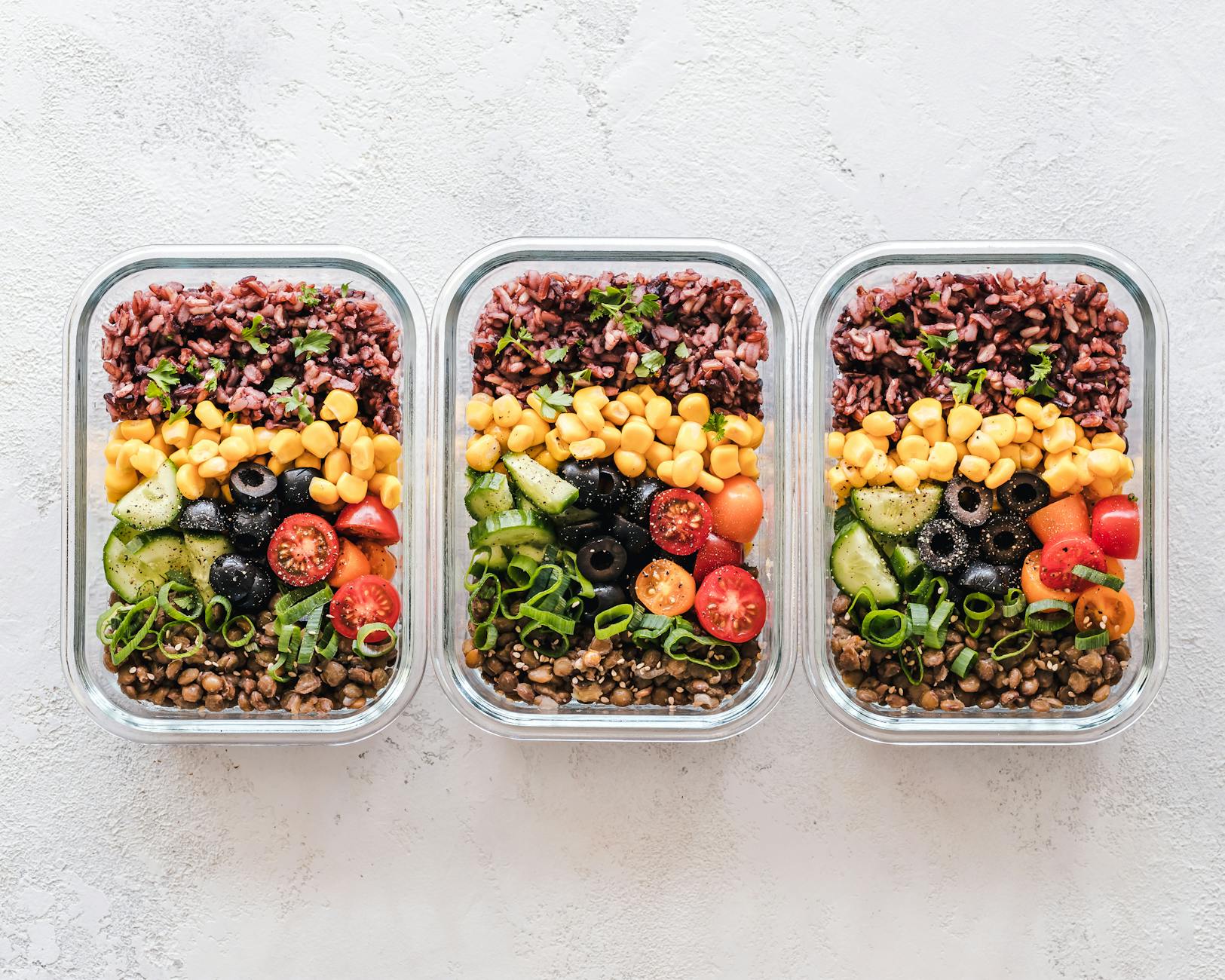
 Photo: Ella Olsson / Pexels
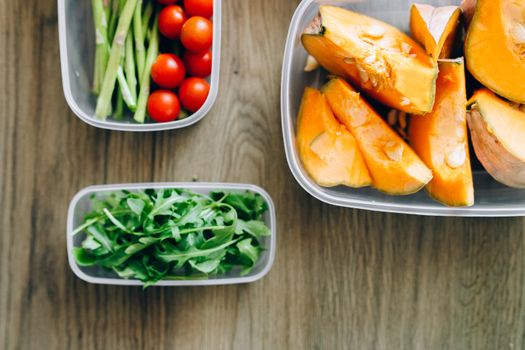 Photo: Nataliya Vaitkevich / Pexels
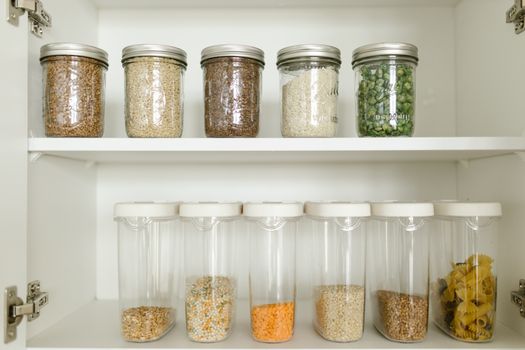 Photo: RDNE Stock project / Pexels