✓ Requires careful planning to ensure nutritional adequacy.
✓ Can lead to weight loss, improved blood sugar control, and increased energy.
How It Works
1
Understand Ketosis
Learn how reducing carbohydrates forces your body to produce ketones for energy. This metabolic state, known as ketosis, is the core principle of the keto diet.
2
Stock Your Pantry
Identify and purchase keto-friendly foods like healthy fats, quality proteins, and low-carb vegetables. Eliminate high-carb items to avoid temptation.
3
Follow the Meal Plan
Utilize a structured meal plan to guide your daily food choices and ensure you stay within your macronutrient targets. Consistency is key for achieving ketosis.
4
Monitor Progress & Adjust
Track your food intake, energy levels, and weight to see how your body responds. Make necessary adjustments to your plan for optimal results and sustainability.
Understanding the Ketogenic Diet for Weight Loss
Photo: Ronit HaNegby / Pexels
The ketogenic diet, often simply called 'keto,' is a very low-carb, high-fat diet that has gained significant popularity for its potential to promote weight loss and offer various health benefits. For beginners, grasping the fundamental principles is crucial before diving into a meal plan. At its core, the keto diet aims to shift your body's primary fuel source from carbohydrates (glucose) to fats. When you drastically reduce your carbohydrate intake, typically to 20-50 grams per day, your body enters a metabolic state called ketosis. In ketosis, your liver begins to break down fat into molecules called ketones, which then serve as an alternative energy source for your brain and body. This metabolic shift is what makes the keto diet so effective for fat burning.
Historically, the ketogenic diet was developed in the 1920s as a therapeutic treatment for epilepsy, particularly in children who didn't respond to medication. Its efficacy in managing seizures highlighted its profound impact on brain metabolism. More recently, its potential for weight loss and blood sugar management has brought it into the mainstream. The typical macronutrient breakdown for a ketogenic diet is approximately 70-75% of calories from fat, 20-25% from protein, and a mere 5-10% from carbohydrates. This stark contrast to standard dietary guidelines, which often emphasize higher carbohydrate intake, is precisely why it can be challenging for beginners to navigate without a clear plan. Without a structured approach, it's easy to consume hidden carbs or insufficient fats, hindering the body's ability to reach and maintain ketosis. Understanding the 'why' behind these ratios is the first step towards successful implementation. It's not just about cutting carbs; it's about replacing them strategically with healthy fats and adequate protein to fuel your body efficiently and avoid muscle loss. Many people find that once they adapt, their energy levels stabilize, and cravings for sugary or starchy foods diminish significantly. For more details on the types of food to include, check out our guide on healthy keto food choices.
Transitioning into ketosis can sometimes come with an initial period known as the 'keto flu,' characterized by symptoms like headaches, fatigue, and irritability. This is your body's way of adapting to a new fuel source. Adequate hydration and electrolyte intake (sodium, potassium, magnesium) are vital during this phase to mitigate these effects. Planning meals in advance helps ensure you're consuming enough of these essential nutrients. Furthermore, understanding the difference between net carbs and total carbs is important for beginners. Net carbs are total carbohydrates minus fiber, and many keto dieters focus on net carbs because fiber isn't digested and absorbed in the same way as other carbohydrates, thus not impacting blood sugar significantly. This distinction allows for a slightly broader range of vegetable choices. The goal is to make this lifestyle sustainable, and a well-thought-out meal plan is the cornerstone of that sustainability, providing variety, nutrition, and ease of preparation while adhering to the strict macronutrient targets required for ketosis.
Crafting Your First Keto Meal Plan for Beginners
Photo: Towfiqu barbhuiya / Pexels
Embarking on a keto diet requires careful planning, especially for beginners. A well-structured meal plan is your roadmap to success, ensuring you stay within your carb limits while getting all the necessary nutrients. The key to a successful beginner's keto meal plan lies in simplicity, nutrient density, and deliciousness to prevent burnout. Start by focusing on whole, unprocessed foods. Your plate should be filled with healthy fats, moderate protein, and low-carb vegetables. Think beyond just bacon and cheese; a diverse range of foods will provide essential vitamins and minerals and make the diet more enjoyable and sustainable in the long run.
For breakfast, eggs are a keto staple due to their versatility and high protein content. Scrambled eggs with avocado and spinach, an omelet filled with cheese and bell peppers, or even a simple frittata made with various low-carb vegetables are excellent options. Adding a side of bacon or sausage (ensure it's sugar-free) boosts your fat and protein intake. If you prefer something quicker, a low-carb smoothie made with unsweetened almond milk, a scoop of protein powder, a handful of spinach, and a tablespoon of almond butter can be a great grab-and-go option. The goal is to feel satiated and energized, avoiding the mid-morning carb crash often associated with typical breakfast foods.
Lunch and dinner offer more variety. Lean towards protein sources like chicken, beef, fish, and pork, always paired with healthy fats and non-starchy vegetables. A grilled salmon salad with a generous olive oil dressing, a hearty steak with a side of asparagus drizzled with butter, or chicken stir-fry with broccoli and cauliflower rice are all fantastic choices. When selecting vegetables, prioritize leafy greens (spinach, kale), cruciferous vegetables (broccoli, cauliflower, Brussels sprouts), and other low-carb options like zucchini, bell peppers, and green beans. These vegetables provide crucial fiber and micronutrients without adding significant net carbs. Portion control for protein is important; while it's tempting to overdo it, excessive protein can be converted to glucose through gluconeogenesis, potentially kicking you out of ketosis. Aim for moderate portions, typically 4-6 ounces per meal.
Snacks are also an important component of a beginner's keto meal plan, helping to bridge the gaps between meals and prevent hunger. Good options include a handful of almonds or walnuts, a slice of cheese, a hard-boiled egg, or a few slices of avocado. Full-fat Greek yogurt (check carb content carefully) or cottage cheese in moderation can also be included. Always read food labels meticulously to check for hidden sugars and starches in processed foods, sauces, and dressings. Meal prepping on a designated day can significantly simplify your week, allowing you to have keto-friendly meals ready to go, reducing the temptation to grab high-carb convenience foods. This proactive approach is a game-changer for maintaining consistency and adherence to your keto goals.
Sample 7-Day Keto Diet Meal Plan for Beginners
Photo: Valeria Boltneva / Pexels
To provide a concrete starting point, here's a sample 7-day keto diet meal plan designed for beginners, focusing on ease of preparation and common keto-friendly ingredients. Remember, this is a template; feel free to adjust portion sizes and swap ingredients based on your preferences and caloric needs, always ensuring you stay within your daily carb limit (typically 20-25g net carbs). Staying hydrated is crucial, so remember to drink plenty of water throughout the day.
**Day 1:**
* **Breakfast:** Scrambled eggs (3) with cheddar cheese and avocado slices.
* **Lunch:** Large Cobb salad (mixed greens, grilled chicken, bacon, hard-boiled egg, avocado, full-fat ranch dressing).
* **Dinner:** Baked salmon with roasted asparagus and a generous drizzle of olive oil.
* **Snack:** A handful of macadamia nuts.
**Day 2:**
* **Breakfast:** Keto smoothie (unsweetened almond milk, spinach, protein powder, almond butter).
* **Lunch:** Leftover baked salmon and asparagus.
* **Dinner:** Ground beef stir-fry with broccoli, bell peppers, and a soy-free tamari sauce.
* **Snack:** String cheese.
**Day 3:**
* **Breakfast:** Omelet with mushrooms, spinach, and feta cheese.
* **Lunch:** Tuna salad (made with avocado mayo) served in lettuce cups.
* **Dinner:** Chicken thighs baked with butter and herbs, served with sautéed green beans.
* **Snack:** Olives.
**Day 4:**
* **Breakfast:** Chia seed pudding (made with coconut milk, topped with a few berries).
* **Lunch:** Leftover chicken thighs and green beans.
* **Dinner:** Pork chops with creamy cauliflower mash and a side of sautéed kale.
* **Snack:** Hard-boiled egg.
**Day 5:**
* **Breakfast:** Bacon (3-4 slices) and two fried eggs.
* **Lunch:** Chef's salad with various deli meats (ensure no added sugars), cheese, and a low-carb dressing.
* **Dinner:** Keto pizza (using a cauliflower or almond flour crust) with your favorite keto toppings (pepperoni, mushrooms, olives).
* **Snack:** A small handful of walnuts.
**Day 6:**
* **Breakfast:** Cottage cheese (full-fat, small portion) with a sprinkle of cinnamon and a few chopped pecans.
* **Lunch:** Leftover keto pizza.
* **Dinner:** Beef and broccoli with a rich peanut-free sauce (using almond butter for richness).
* **Snack:** Avocado slices with a sprinkle of salt and pepper.
**Day 7:**
* **Breakfast:** Keto pancakes (made with almond flour) topped with sugar-free syrup and a pat of butter.
* **Lunch:** Large green salad with grilled shrimp and a lemon-tahini dressing.
* **Dinner:** Roast chicken with a side of roasted Brussels sprouts and a creamy dill sauce. For further recipe inspiration, explore our collection of easy keto recipes.
* **Snack:** Pork rinds.
This meal plan offers a variety of flavors and textures, ensuring you don't feel deprived while staying strictly keto. Remember to listen to your body, adjust as needed, and enjoy the process of discovering delicious new ways to eat. Don't forget to track your macros using a reliable app to ensure you're consistently hitting your targets, especially in the initial weeks.
Common Keto Mistakes to Avoid for Beginners
Photo: Ronit HaNegby / Pexels
While the ketogenic diet can be incredibly effective, beginners often fall prey to common pitfalls that can hinder progress or even lead to giving up. Awareness of these mistakes is your first line of defense against them.
**1. Not Tracking Macronutrients Properly:** Many beginners underestimate hidden carbs in seemingly keto-friendly foods or overestimate their fat intake. Without accurately tracking your macros (carbs, protein, fat), it's easy to accidentally consume too many carbs, preventing you from entering or staying in ketosis. Utilize a reliable food tracking app to log everything you eat, especially in the initial weeks.
**2. Insufficient Electrolyte Intake:** The keto diet has a diuretic effect, meaning you excrete more water and, crucially, more electrolytes. This loss can lead to 'keto flu' symptoms like headaches, fatigue, and muscle cramps. Ensure you're consuming enough sodium (add salt to food, drink bone broth), potassium (avocado, spinach, mushrooms), and magnesium (leafy greens, pumpkin seeds, supplements if needed).
**3. Not Eating Enough Fat:** This is perhaps the most common mistake. Beginners often fear fat, but on keto, fat is your primary fuel source. If you don't eat enough fat, you'll be hungry, lack energy, and your body won't effectively switch to burning fat for fuel. Don't be afraid to add healthy fats like olive oil, avocado oil, butter, and coconut oil to your meals.
**4. Over-Consuming Protein:** While protein is essential, consuming excessive amounts can lead to gluconeogenesis, where your body converts protein into glucose, potentially kicking you out of ketosis. Aim for moderate protein intake, typically 0.6-0.8 grams per pound of lean body mass.
**5. Ignoring Micronutrients:** Focusing solely on macros can lead to deficiencies in vitamins and minerals. Emphasize a wide variety of low-carb vegetables, healthy fats, and quality proteins to ensure you're getting a broad spectrum of nutrients. Consider a good quality multivitamin if you're concerned.
**6. Not Drinking Enough Water:** Hydration is paramount on keto. As mentioned, the diet is diuretic, so you need to consciously increase your water intake to prevent dehydration and help with electrolyte balance. Aim for at least 8-10 glasses of water daily, and more if you're active.
**7. Expecting Instant Results & Getting Discouraged:** Keto adaptation takes time. Don't get discouraged if you don't see immediate drastic changes on the scale. Focus on how you feel, your energy levels, and other non-scale victories. Consistency is far more important than perfection in the early stages.
**8. Relying Too Much on 'Keto Junk Food':** The market is flooded with keto-friendly processed snacks, desserts, and ready meals. While convenient, many are still highly processed and can contain hidden carbs or inflammatory ingredients. Prioritize whole, unprocessed foods for the best results and long-term health.
By being mindful of these common mistakes, beginners can navigate the keto diet more smoothly and set themselves up for long-term success.
Comparison
Feature
Keto Diet
Standard American Diet
Low-Fat Diet
Primary Fuel Source
Fats
Carbohydrates
Carbohydrates
Carbohydrate Intake
Very Low (20-50g/day)
High (250-300g+/day)
Moderate-High
Fat Intake
Very High (70-75% calories)
Moderate (30-35% calories)
Low (<30% calories)
Protein Intake
Moderate (20-25% calories)
Moderate (15-20% calories)
Moderate-High
Metabolic State
Ketosis
Glycolysis
Glycolysis
Weight Loss Mechanism
Fat burning, appetite suppression
Calorie restriction
Calorie restriction
Typical Energy Levels
Stable, sustained
Fluctuating, 'crashes'
Can be low if fat too restricted
Focus on Whole Foods
✓
✗
✓
What Readers Say
★★★★★
"This keto diet meal plan for beginners was a lifesaver! I was so overwhelmed before, but the clear guidance and easy recipes made starting keto simple and enjoyable. I've already lost 10 pounds in a month."
Sarah J. · Austin, TX
★★★★★
"As a complete novice, I needed something straightforward. This plan delivered! The explanations about ketosis and common mistakes were particularly helpful. My energy levels are through the roof."
Mark D. · Miami, FL
★★★★★
"I followed the 7-day sample meal plan almost exactly and felt amazing. Not only did I lose 7 lbs, but my chronic joint pain significantly improved. This truly changed my approach to eating."
Jessica L. · Denver, CO
★★★★★
"Great comprehensive guide, though some of the initial meal prep felt a bit time-consuming. However, the results speak for themselves – feeling much more focused and less bloated. Worth the effort!"
Kevin P. · Chicago, IL
★★★★★
"I'm a busy mom and thought keto would be impossible. This beginner's plan showed me how to adapt meals for the whole family, making my personal keto journey much more sustainable. Highly recommend for practical advice."
Emily R. · Seattle, WA
Frequently Asked Questions
What is the absolute best keto diet meal plan for beginners to start with?
The best keto diet meal plan for beginners is one that prioritizes simplicity, whole foods, and a clear understanding of macronutrient targets. It should include a variety of healthy fats, moderate protein, and very low-carb vegetables, with easy-to-follow recipes to prevent overwhelm and ensure adherence to the dietary restrictions required for ketosis.
Is the keto diet safe for everyone, especially for beginners?
While generally safe for most healthy adults, the keto diet is not suitable for everyone. Individuals with certain medical conditions, such as pancreatic, liver, thyroid, or gallbladder issues, or those on specific medications, should consult a doctor before starting. Beginners should also monitor for 'keto flu' symptoms and ensure adequate electrolyte intake.
How do I calculate my macros for a beginner keto diet meal plan?
To calculate your macros, first determine your daily caloric needs. Then, allocate your calories to achieve the keto ratios: typically 70-75% from fat, 20-25% from protein, and 5-10% (usually 20-50g net carbs) from carbohydrates. Online macro calculators can help, but tracking tools are essential for daily adherence.
Does a keto diet meal plan for beginners have to be expensive?
No, a keto diet meal plan for beginners doesn't have to be expensive. While some specialty keto products can be pricey, you can stick to budget-friendly whole foods like eggs, chicken thighs, ground beef, frozen low-carb vegetables, and inexpensive healthy fats like olive oil and butter. Meal prepping also helps reduce food waste and costs.
How does a beginner keto diet compare to other low-carb diets?
A beginner keto diet is distinct from other low-carb diets (like Atkins or Paleo) primarily in its extreme restriction of carbohydrates to induce ketosis. While other low-carb diets reduce carbs, they typically allow for higher carb intake and don't necessarily aim for a metabolic state of ketosis, focusing more on food quality or glycemic index.
Who should definitely try a keto diet meal plan for beginners?
A keto diet meal plan for beginners is ideal for individuals looking for significant weight loss, improved blood sugar control (under medical supervision for diabetics), reduced appetite, and increased energy levels. It's particularly beneficial for those who struggle with sugar cravings and find satisfaction in higher fat meals.
What are the potential risks or side effects of starting a keto diet meal plan?
Beyond the temporary 'keto flu,' potential risks include nutrient deficiencies if not planned well, kidney stones in rare cases, and changes in cholesterol levels. Long-term effects are still being studied. It's crucial to consult with a healthcare professional to ensure it's appropriate for your individual health status.
What is the future trend for keto diet meal plans, especially for beginners?
The future trend for keto diet meal plans for beginners leans towards greater personalization, plant-based keto options, and increased accessibility through convenient, whole-food-based meal kits and apps. There's also a growing focus on cyclical keto and targeted keto approaches for athletes, offering more flexibility once adapted.
Ready to transform your health and reach your weight loss goals? This comprehensive keto diet meal plan for beginners provides everything you need to start strong and succeed. Take the first step towards a healthier, more energized you today!
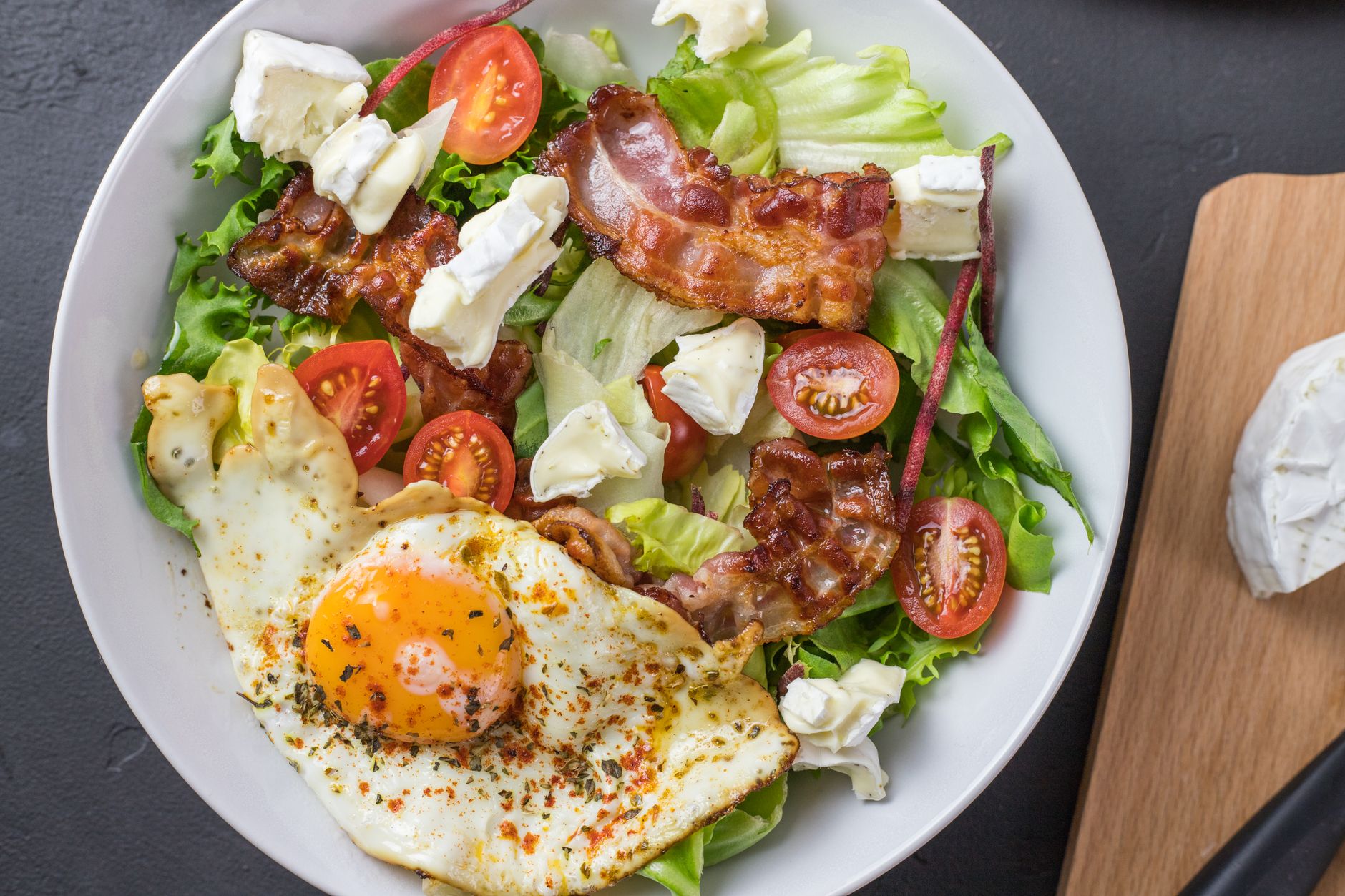
 Photo: Ronit HaNegby / Pexels
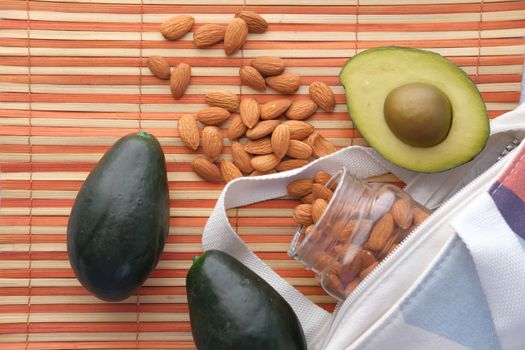 Photo: Towfiqu barbhuiya / Pexels
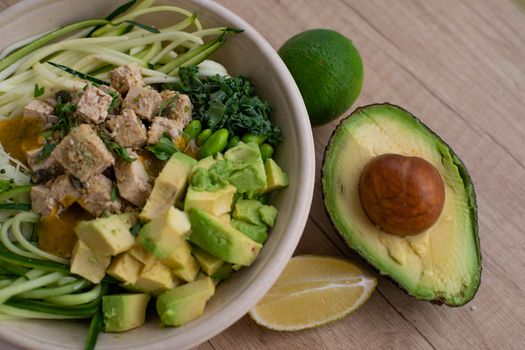 Photo: Valeria Boltneva / Pexels