✓ Proper storage can extend produce life by days to weeks.
✓ Ethylene gas is a key factor in fruit ripening and spoilage.
✓ Temperature, humidity, and airflow are crucial for optimal storage.
✓ Washing produce before storage can sometimes accelerate spoilage.
How It Works
1
Understand Your Produce
Different fruits and vegetables have unique storage requirements regarding temperature, humidity, and ethylene sensitivity. Knowing these distinctions is the first step to effective preservation.
2
Prepare for Storage
Before storing, consider if washing, trimming, or drying is necessary. Often, less intervention is better until just before consumption to avoid introducing moisture or damage.
3
Select the Right Environment
Choose the optimal storage location, whether it's the refrigerator, pantry, countertop, or a cool, dark place. The right environment drastically slows down spoilage.
4
Utilize Smart Storage Solutions
Employ specific containers, bags, or wraps designed to maintain ideal conditions. Proper air circulation and moisture control are vital for maximizing freshness.
The Science Behind Extending Produce Shelf Life
Photo: Dale Jackson / Pexels
Understanding the 'why' behind produce spoilage is the first step in mastering 'how to store fresh produce longer.' At its core, spoilage is a natural biological process, primarily driven by respiration, moisture loss, and microbial activity. Every fruit and vegetable is a living organism, even after harvest, and it continues to breathe, converting stored sugars into energy, water, and carbon dioxide. This respiration process, while essential for plant life, ultimately leads to degradation and wilting. The faster an item respires, the quicker it spoils. For instance, leafy greens and asparagus have high respiration rates, which is why they tend to wilt quickly, while root vegetables like potatoes and carrots respire much slower.
Moisture loss is another significant culprit. Produce is largely composed of water, and when it loses this moisture to the surrounding air, it shrivels, loses crispness, and becomes unappetizing. This is particularly noticeable in items like cucumbers, bell peppers, and herbs. The cuticle, or outer waxy layer, helps to slow this process, but it's not foolproof. Controlling the humidity around your produce is therefore paramount. Too little humidity leads to desiccation, while too much can encourage mold and bacterial growth, creating a delicate balance that must be maintained.
Microbial activity, including bacteria, yeasts, and molds, also plays a crucial role. These microorganisms are ubiquitous in our environment and thrive on the sugars and moisture found in fresh produce. Even a tiny bruise or cut can provide an entry point for these microbes, accelerating decay. This is why careful handling and avoiding damaged produce are vital for extended storage. Washing produce too far in advance can also introduce moisture that fosters microbial growth, so it's often best to wash right before use.
Finally, ethylene gas is a powerful plant hormone that acts as a ripening agent. Some fruits, known as 'climacteric' fruits, produce significant amounts of ethylene as they ripen, which in turn accelerates the ripening—and eventual spoilage—of themselves and other nearby ethylene-sensitive produce. Apples, bananas, avocados, and tomatoes are prime examples. Conversely, 'non-climacteric' fruits like berries, citrus, and grapes produce very little ethylene and do not ripen significantly after harvest. Understanding which produce items are ethylene producers and which are ethylene sensitive is a game-changer for effective storage. Separating ethylene producers from ethylene-sensitive items is a fundamental strategy for anyone looking to reduce food waste and maximize freshness. By managing these factors—respiration, moisture, microbes, and ethylene—you can significantly delay the inevitable decline of your fresh produce, ensuring it stays delicious and nutritious for much longer.
Mastering Temperature and Humidity for Optimal Freshness
Photo: Kevin Malik / Pexels
The refrigerator isn't a one-size-fits-all solution for all your fresh produce, and understanding the nuances of temperature and humidity is critical to knowing how to store fresh produce longer. Different fruits and vegetables thrive in distinct environments, and misplacing them can drastically shorten their lifespan. For many items, the cold, dry air of a standard refrigerator can actually be detrimental.
Let's break down the ideal conditions. Most leafy greens, cruciferous vegetables (like broccoli and cauliflower), carrots, and berries prefer the cold, humid environment of your refrigerator's crisper drawers. The crisper drawers are designed to create a microclimate with higher humidity than the rest of the fridge, which prevents these items from drying out. Keeping them in breathable bags (like perforated plastic or specialized produce bags) within the crisper further helps maintain this ideal moisture level without trapping too much condensation, which can lead to mold.
Conversely, some produce items are highly sensitive to cold temperatures and can suffer from 'chilling injury' if refrigerated. This damage manifests as soft spots, discoloration, loss of flavor, and accelerated spoilage once brought to room temperature. Examples include tomatoes, potatoes, onions, garlic, and most tropical fruits like bananas, avocados, and mangoes. These items are best stored at room temperature in a cool, dark, well-ventilated pantry or on a countertop, away from direct sunlight. For instance, storing tomatoes in the fridge can make them mealy and diminish their flavor. Potatoes, when refrigerated, convert their starch to sugar, leading to a gritty texture and sweet taste, and can even produce harmful acrylamides when cooked at high temperatures.
Humidity is another critical factor often overlooked. High humidity is excellent for leafy greens, asparagus, and herbs, helping them retain their turgidity and preventing wilting. However, too much humidity can be detrimental to items like mushrooms, which prefer a drier environment, or onions and garlic, which will sprout or mold in damp conditions. Learning to use your refrigerator's crisper settings (often labeled 'high humidity' or 'low humidity') can make a significant difference. High humidity is typically achieved by closing the vent, trapping moisture, while low humidity involves opening the vent to allow air circulation and moisture escape.
Even within the refrigerator, temperature varies. The back of the fridge is usually the coldest, while the door is the warmest. Understanding these zones can help you strategically place items. For instance, milk and eggs do well in colder areas, while condiments are fine in the door. By paying attention to these specific temperature and humidity needs, you can transform your kitchen into a produce preservation powerhouse, ensuring your groceries stay fresh and delicious for their maximum potential duration, ultimately saving you money and reducing waste.
Smart Storage Solutions and Ethylene Management
Photo: Anna Shvets / Pexels
Beyond just temperature and humidity, the specific methods and containers you use, coupled with strategic ethylene management, are paramount in understanding how to store fresh produce longer. The right tools and techniques can make a world of difference, turning wilting greens into vibrant salads and extending the life of your fruit bowl.
One of the most impactful strategies involves managing ethylene gas. As discussed, ethylene is a ripening hormone produced by certain fruits. Keeping ethylene-producing fruits (like apples, avocados, bananas, peaches, pears, and tomatoes) separate from ethylene-sensitive ones (such as leafy greens, broccoli, carrots, cucumbers, and berries) is a golden rule of produce storage. A single overripe apple in a bowl of greens can dramatically shorten their lifespan. Store ethylene producers in their own designated areas, preferably in a different part of the kitchen or even a separate drawer in the fridge if space allows. For example, keep bananas on the counter away from other fruit, and store apples in a crisper drawer by themselves.
When it comes to specific storage solutions, there are several effective options. For leafy greens and herbs, wrapping them loosely in a damp paper towel and then placing them in a sealed bag or container in the crisper drawer works wonders. The damp towel provides the necessary humidity, while the bag prevents excessive moisture loss. Alternatively, some herbs like parsley, cilantro, and basil can be stored upright in a glass of water on the countertop (like a bouquet of flowers), covered loosely with a plastic bag, and then refrigerated for even longer life. Change the water every day or two.
For sturdier vegetables like carrots, celery, and bell peppers, storing them submerged in water in an airtight container in the fridge can significantly extend their crispness. This method rehydrates the cells, preventing limpness. Just remember to change the water every few days to prevent bacterial growth. Mushrooms, however, prefer a drier environment; store them in a paper bag in the fridge, which absorbs excess moisture and allows for air circulation, preventing sliminess.
Bags and containers also play a crucial role. Specialized produce bags, often made of breathable mesh or with activated carbon, can help regulate moisture and absorb ethylene. Airtight containers are excellent for cut produce, but for whole produce, sometimes a little airflow is necessary. For example, onions and garlic need good air circulation to prevent sprouting and mold; mesh bags or open baskets in a cool, dark pantry are ideal. Never store them in plastic bags. By thoughtfully applying these smart storage solutions and meticulously managing ethylene, you'll be astonished at how much longer your fresh produce maintains its quality, ultimately reducing waste and ensuring you always have delicious ingredients on hand for your next meal. This proactive approach to storage is a cornerstone of sustainable living and smart kitchen management. Meal prepping also benefits greatly from proper produce storage.
Common Produce Storage Mistakes and How to Avoid Them
Even with the best intentions, common mistakes in produce storage can quickly lead to spoilage, negating your efforts to figure out how to store fresh produce longer. Identifying and correcting these errors is key to maximizing the lifespan of your fruits and vegetables. Here are some of the most frequent blunders and practical ways to avoid them:
* **Washing Produce Too Soon:** Many people wash all their produce as soon as they get home from the grocery store. While good for hygiene, this introduces moisture that creates an ideal breeding ground for bacteria and mold, accelerating spoilage. **Solution:** Wash produce only right before you're ready to use it. For items like berries, if you must wash them, dry them thoroughly with paper towels or a salad spinner before storing.
* **Storing Ethylene Producers with Ethylene Sensitives:** As discussed, this is a major culprit. Putting apples next to leafy greens, or avocados with carrots, is a recipe for rapid decay. **Solution:** Keep ethylene-producing fruits (apples, bananas, avocados, peaches, pears, tomatoes) separate from ethylene-sensitive vegetables (broccoli, carrots, cucumbers, leafy greens, berries). Dedicate separate drawers or areas in your kitchen.
* **Refrigerating Everything:** Not all produce belongs in the fridge. Items like tomatoes, potatoes, onions, garlic, and many tropical fruits suffer from chilling injury, losing flavor, texture, and often spoiling faster once removed. **Solution:** Store these items at room temperature in a cool, dark, well-ventilated pantry or on a countertop away from direct sunlight.
* **Storing in Sealed Plastic Bags Without Airflow:** While some items benefit from a sealed environment to retain humidity, completely airtight plastic bags can trap too much moisture, leading to sliminess and mold. **Solution:** For items like leafy greens, use perforated plastic bags, bags with a paper towel, or specialized produce bags that allow for some breathability. For root vegetables, mesh bags are often better than solid plastic.
* **Ignoring Bruises and Damage:** A small bruise might seem harmless, but it's an open invitation for bacteria and mold to enter and spread, affecting the entire item and potentially neighboring produce. **Solution:** Inspect produce carefully when purchasing and before storing. If an item has a bruise, cut out the damaged part immediately and consume the rest quickly.
* **Overcrowding Your Refrigerator:** A packed fridge restricts airflow, leading to inconsistent temperatures and potential hot spots, which can accelerate spoilage. **Solution:** Don't overfill your fridge. Ensure there's enough space for air to circulate freely around your produce and other items.
* **Not Using Crisper Drawers Correctly:** Many refrigerators have crisper drawers with adjustable humidity settings, but these are often ignored or misunderstood. **Solution:** Utilize your crisper drawers. Set one to high humidity (vent closed) for leafy greens, herbs, and most vegetables. Set the other to low humidity (vent open) for fruits like apples and pears (if storing in the fridge) or items that prefer less moisture. Knowing these common pitfalls and actively avoiding them will dramatically improve your success rate in keeping produce fresh, reducing waste, and making your grocery budget stretch further. It's all about thoughtful handling and understanding the specific needs of each item you bring home.
"Following these tips on how to store fresh produce longer has been a game-changer! My lettuce used to wilt in days, now it stays crisp for over a week. I'm saving so much money and tossing less food."
Sarah J. · Austin, TX
★★★★★
"I never realized how much difference separating ethylene producers would make. My avocados ripen perfectly, and my berries last so much longer. This guide is incredibly practical and easy to follow."
David M. · Portland, OR
★★★★★
"My family used to struggle with food waste, especially produce. After implementing the water submersion method for carrots and celery, they stay fresh and crunchy for twice as long. A definite win!"
Emily R. · Chicago, IL
★★★★★
"The advice on not washing produce immediately was a revelation. It took a bit of getting used to, but I've noticed a significant improvement in the longevity of my greens and herbs. Still learning the best spots for everything, but it's much better."
Michael T. · Denver, CO
★★★★★
"Living in a humid climate, I constantly battled moldy produce. The specific humidity advice for crisper drawers and using paper bags for mushrooms has been revolutionary for keeping my groceries fresh and vibrant."
Jessica L. · Miami, FL
Frequently Asked Questions
What's the most common mistake people make when trying to store fresh produce longer?
The most common mistake is assuming all produce should be stored in the refrigerator, or washing produce immediately upon purchase. Many items like tomatoes, potatoes, and onions suffer from chilling injury, while pre-washing introduces moisture that accelerates bacterial growth and spoilage. Always understand the specific needs of each item.
Will storing fruit in the same bowl as vegetables make them spoil faster?
Yes, potentially. If the fruit is an 'ethylene producer' (like apples, bananas, or avocados) and the vegetables are 'ethylene sensitive' (like leafy greens, broccoli, or carrots), the gas emitted by the fruit will significantly speed up the ripening and spoilage of the vegetables. It's crucial to separate these types of produce.
How do I store fresh herbs to keep them from wilting so quickly?
For most leafy herbs (parsley, cilantro, basil), trim the ends, place them stem-side down in a glass of water like a bouquet, and cover loosely with a plastic bag. Refrigerate this setup for parsley and cilantro; basil often prefers room temperature. Change the water every day or two for best results.
Are specialized produce storage containers worth the investment?
While not strictly necessary, specialized produce storage containers can be very effective. Many are designed to regulate airflow and humidity, or absorb ethylene gas, creating an optimal microclimate for specific items. For those who frequently struggle with spoilage, they can be a worthwhile investment to reduce food waste and save money in the long run.
What's the difference between high and low humidity crisper drawers?
High humidity crisper drawers (vent closed) are designed to trap moisture, ideal for leafy greens, herbs, and most vegetables that tend to wilt quickly. Low humidity crisper drawers (vent open) allow moisture to escape, suitable for fruits and some vegetables that can rot or become slimy with too much moisture, like apples (if refrigerated) and bell peppers.
Who benefits most from learning how to store fresh produce longer?
Anyone looking to reduce food waste, save money on groceries, or enjoy fresher, more nutritious meals will benefit. This includes families, budget-conscious individuals, meal preppers, and those striving for a more sustainable lifestyle by minimizing their environmental impact.
Is it safe to eat produce that has started to wrinkle or soften slightly?
Generally, yes, if there's no mold, off-smell, or sliminess. Wrinkling or slight softening often indicates moisture loss, which affects texture but not necessarily safety. You can often revive some items, like limp celery or carrots, by submerging them in ice water. However, if there are any signs of spoilage, it's best to discard the produce to avoid health risks.
What future trends are emerging in produce storage technology?
Future trends include smart refrigerators with advanced climate control zones, biodegradable packaging with ethylene-absorbing properties, and innovative home storage solutions that utilize UV light or controlled atmospheres to extend shelf life even further. There's also a growing focus on subscription services that deliver produce with optimized packaging for longevity.
By applying these expert strategies, you're not just learning how to store fresh produce longer; you're transforming your kitchen into a hub of freshness and sustainability. Start today and experience the satisfaction of less waste, more flavor, and smarter savings on your groceries.
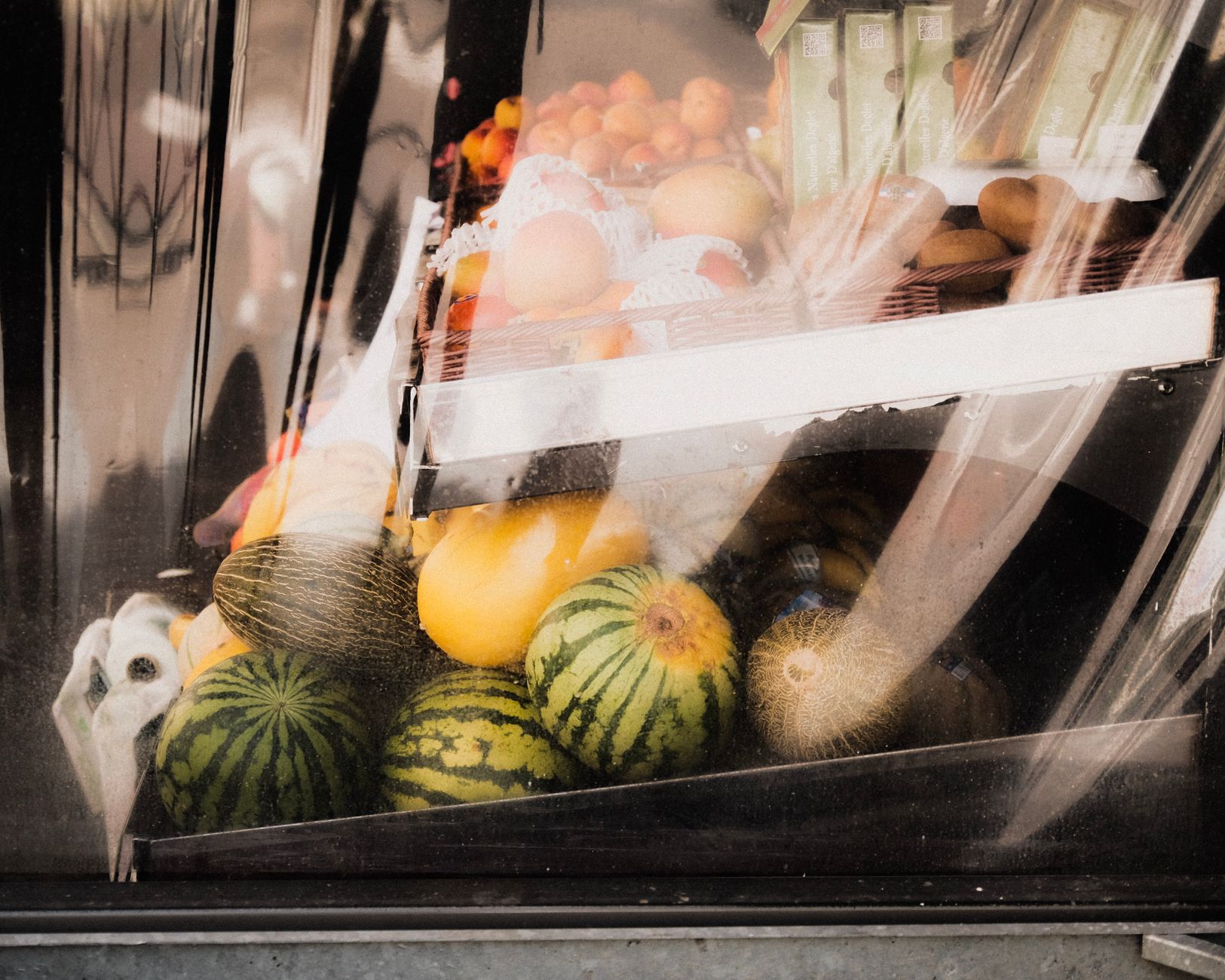
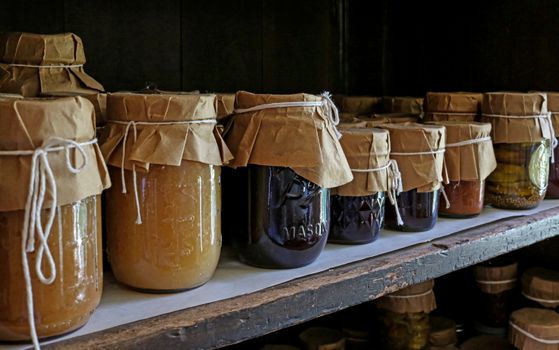 Photo: Dale Jackson / Pexels
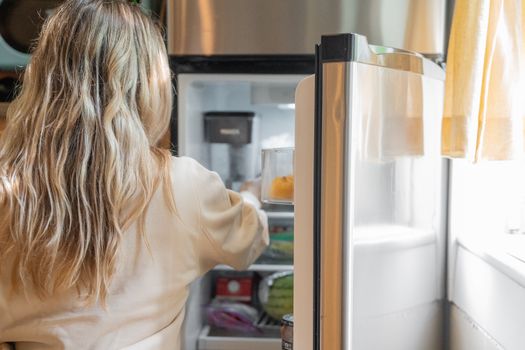 Photo: Kevin Malik / Pexels
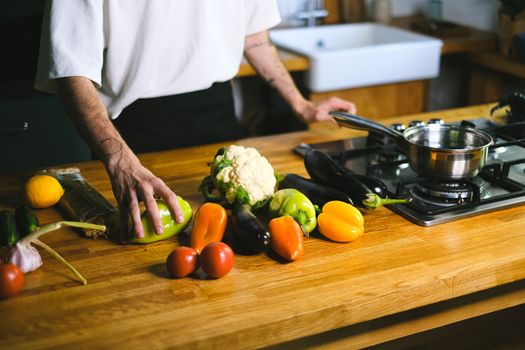 Photo: Anna Shvets / Pexels