How to Cook Perfect Steak Cast Iron: A Masterclass
how to cook perfect steak cast iron

How to Cook Perfect Steak Cast Iron: A Masterclass

Transform humble cuts into culinary masterpieces with the unmatched power of your cast iron skillet.

Start Searing Now

Key Takeaways

  • ✓ Cast iron's superior heat retention creates an unparalleled crust.
  • ✓ The reverse sear method is ideal for thicker cuts, ensuring even cooking.
  • ✓ Proper preheating of the skillet is crucial for avoiding sticking and achieving a deep sear.
  • ✓ Resting the steak after cooking is non-negotiable for juicy results.

How It Works

1
Choose and Prepare Your Steak

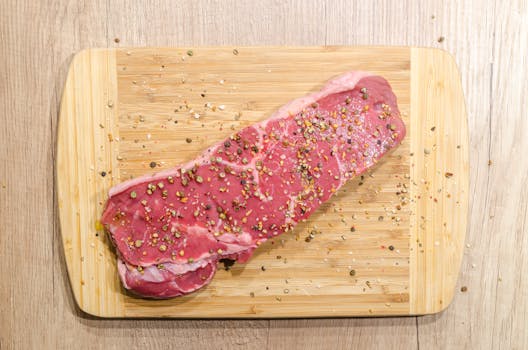
Select a quality cut like ribeye or New York strip, at least 1.5 inches thick. Pat it thoroughly dry and season generously with salt and pepper.

2
Preheat Your Cast Iron Skillet

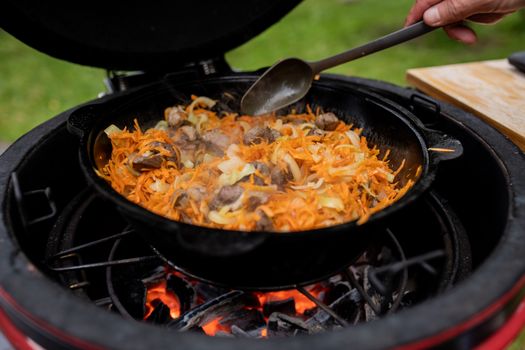
Place your cast iron skillet over medium-high heat for 5-10 minutes until it's smoking slightly. This ensures even, high heat for a perfect sear.

3
Sear and Baste to Perfection

Add a high smoke point oil and sear the steak for 2-3 minutes per side, then add butter, garlic, and herbs to baste for flavor and a golden crust.

4
Rest for Optimal Juiciness

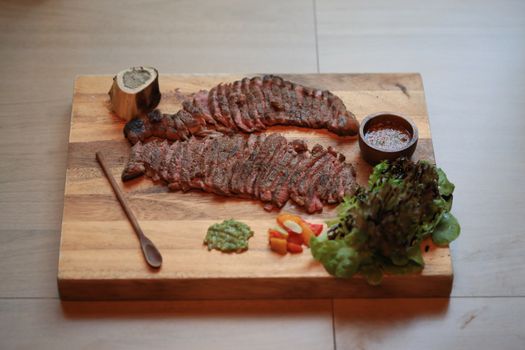
Transfer the steak to a cutting board and let it rest for 5-10 minutes before slicing. This allows the juices to redistribute, resulting in a tender, succulent steak.

Mastering the Art of Cast Iron Steak Searing

There’s a certain magic that happens when a perfectly seasoned steak meets a screaming hot cast iron skillet. It's not just cooking; it's an alchemy that transforms a simple cut of meat into a culinary masterpiece. If you've ever wondered how restaurants achieve that beautiful, craggy crust and a tender, juicy interior, the answer often lies in the humble, yet powerful, cast iron pan. This guide will walk you through every step, ensuring you know how to cook perfect steak cast iron, not just once, but every single time you crave that restaurant-quality experience right in your own kitchen. The journey to a perfect cast iron steak begins long before the pan even hits the stove. It starts with selecting the right cut of meat. While almost any steak can benefit from a cast iron sear, some cuts are simply better suited for the high-heat intensity this method provides. Think about cuts that have good marbling – those delicate veins of fat running through the muscle. Marbling renders down during cooking, infusing the meat with incredible flavor and keeping it moist. Ribeye, New York strip, and even a well-marbled sirloin are excellent choices. Aim for a steak that is at least 1.5 inches thick; thinner steaks tend to cook too quickly, making it harder to achieve that ideal internal temperature without overcooking the exterior. Bringing your steak to room temperature before cooking is another often-overlooked, yet crucial, step. A cold steak hitting a hot pan will cause the exterior to cook much faster than the interior, leading to uneven doneness. Allow your steak to sit out of the refrigerator for at least 30-60 minutes prior to cooking, depending on its thickness. This helps ensure a more even cook from edge to center. Seasoning is the next vital component. Forget complicated marinades for a classic cast iron steak. All you truly need is high-quality salt and freshly cracked black pepper. Be generous! The crust you're aiming for needs a good amount of seasoning to form properly and to impart flavor. Kosher salt or sea salt with a larger crystal size works wonderfully, as it adheres well and helps draw out moisture from the surface, contributing to a better sear. Patting the steak completely dry with paper towels before seasoning is paramount. Any surface moisture will create steam when it hits the hot pan, preventing that desirable crust from forming. Remember, a dry surface is a prerequisite for a deep, flavorful sear. This meticulous preparation sets the stage for the unparalleled results you'll achieve when you understand the fundamentals of high-heat cooking. With the right steak, at the right temperature, and seasoned perfectly, you're already halfway to mastering how to cook perfect steak cast iron.

The Science of the Sear: Achieving the Ultimate Crust

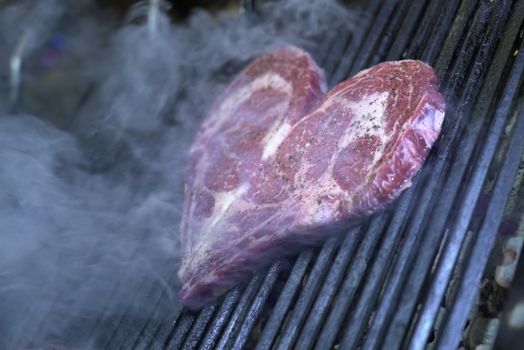
The hallmark of a truly great cast iron steak is its crust – that deeply caramelized, slightly crispy exterior that delivers an explosion of flavor with every bite. This isn't just about appearance; it's about the Maillard reaction, a complex chemical process that occurs when amino acids and reducing sugars in the meat are exposed to high heat. This reaction creates hundreds of new flavor compounds, responsible for the savory, umami notes we associate with perfectly cooked meat. To maximize the Maillard reaction, your cast iron skillet needs to be incredibly hot. This is where cast iron truly shines. Its exceptional heat retention properties mean it can hold a consistent high temperature, even when a relatively cool steak is placed upon it. Unlike thinner pans that might cool down significantly, cast iron recovers quickly, ensuring every inch of your steak gets that intense, direct heat. Preheating your cast iron skillet is not a suggestion; it's a command. Place your empty skillet over medium-high heat for at least 5-10 minutes. You want to see a wisp of smoke, indicating it's ready. A simple test is to flick a few drops of water into the pan; if they evaporate instantly, it's hot enough. Once hot, add a high smoke point oil. Grapeseed, avocado, or refined sunflower oil are excellent choices, as they can withstand the intense heat without breaking down and producing off-flavors. Avoid olive oil for searing, as its lower smoke point will cause it to burn and smoke excessively. Just a thin layer of oil is needed – enough to coat the bottom of the pan and facilitate even contact between the steak and the hot surface. Carefully place your seasoned, room-temperature steak into the hot skillet. You should hear an immediate, satisfying sizzle. Resist the urge to move or flip the steak too soon. Let it sear undisturbed for 2-3 minutes. This initial sear is critical for building that deep, rich crust. Once a beautiful brown crust has formed, flip the steak. Now, here's where you can elevate your steak even further with basting. Add a tablespoon or two of unsalted butter to the pan, along with a few cloves of smashed garlic and a sprig or two of fresh rosemary or thyme. As the butter melts, tilt the pan slightly and use a spoon to continuously baste the melting butter, aromatic garlic, and herbs over the top of the steak. This not only adds incredible flavor but also helps to cook the top surface more evenly and contributes to that gorgeous golden-brown finish. Continue searing and basting, flipping every minute or so, until your steak reaches your desired internal temperature. This meticulous approach to searing is what truly differentiates a good steak from a great one when you're learning how to cook perfect steak cast iron.

Achieving Perfect Doneness: Internal Temperature and Resting

Understanding internal temperature is the key to achieving your preferred doneness and is a critical part of mastering how to cook perfect steak cast iron. Guessing or relying solely on touch can lead to inconsistent results. A reliable instant-read meat thermometer is your best friend here. Insert the thermometer into the thickest part of the steak, avoiding bone, to get an accurate reading. Remember that the steak's internal temperature will continue to rise by a few degrees even after it's removed from the heat – this is called carryover cooking. Therefore, remove your steak from the skillet when it's 5-10 degrees Fahrenheit below your target doneness. Here’s a quick guide to internal temperatures for various levels of doneness: * **Rare:** 120-125°F (remove at 115-120°F) * **Medium-Rare:** 130-135°F (remove at 125-130°F) – often considered the ideal for flavor and tenderness * **Medium:** 135-140°F (remove at 130-135°F) * **Medium-Well:** 140-145°F (remove at 135-140°F) * **Well-Done:** 150°F+ (remove at 145°F+) Once your steak reaches the desired temperature, immediately remove it from the cast iron skillet and transfer it to a clean cutting board. This brings us to perhaps the most crucial, yet often skipped, step in steak cooking: resting. Resting allows the muscle fibers, which contract and squeeze out juices during cooking, to relax and reabsorb those delicious liquids. If you cut into a steak immediately after cooking, you'll see a puddle of juice on your board, and your steak will be drier. By letting it rest for at least 5-10 minutes (longer for thicker cuts), the juices redistribute throughout the meat, resulting in a significantly more tender, moist, and flavorful steak. Cover it loosely with foil to keep it warm, but don't seal it tightly, as that can steam the crust you worked so hard to create. While the steak is resting, you can prepare a quick pan sauce using the fond (the browned bits) left in the skillet – a perfect way to enhance your meal and a testament to the versatility of cast iron cooking. After resting, slice against the grain for maximum tenderness and serve immediately. This precise approach to temperature and resting is what elevates a good cast iron steak to a truly perfect one.

Troubleshooting and Advanced Tips for Your Cast Iron Steak

Even with the best intentions, things can sometimes go awry. Knowing how to troubleshoot common issues can save your meal and build your confidence in how to cook perfect steak cast iron. If your steak is sticking to the pan, the most common culprit is an insufficiently preheated skillet or not enough oil. Ensure your pan is smoking hot before adding the steak, and don't skimp on a thin layer of high smoke point oil. Another issue can be a lack of crust or a pale exterior. This often means the pan wasn't hot enough, or you flipped the steak too frequently. Patience is key; let that Maillard reaction work its magic undisturbed for a few minutes per side. Here are some advanced tips to elevate your cast iron steak game: * **The Reverse Sear Method:** For thicker cuts (2 inches or more), consider the reverse sear. Bake your steak in a low oven (250-275°F) until it's about 10-15°F below your target internal temperature. Then, transfer it to a screaming hot cast iron skillet for a quick, intense sear (1-2 minutes per side) to develop that perfect crust. This method ensures incredibly even cooking from edge to edge. * **Compound Butter:** While your steak is resting, whip up a quick compound butter. Mix softened butter with minced garlic, fresh herbs (rosemary, thyme, parsley), and a pinch of flaky sea salt. A dollop of this melting over your hot, rested steak is pure indulgence. * **Deglazing for Sauce:** Don't let those flavorful browned bits (fond) in your pan go to waste! After removing your steak, add a splash of red wine, beef broth, or even a little balsamic vinegar to the hot pan. Scrape up the fond with a wooden spoon, let it reduce slightly, and you have an instant, incredibly flavorful pan sauce to drizzle over your steak. * **Experiment with Seasoning:** While salt and pepper are foundational, don't be afraid to experiment. A touch of garlic powder, onion powder, or even a specialized steak rub can add complexity. Just be mindful of rubs containing sugar, as they can burn more easily in a hot cast iron pan. * **Clean and Season Your Pan:** Proper cast iron care is essential for consistent results. Clean your pan immediately after use (while still warm, but not hot) with hot water and a stiff brush, avoiding harsh soaps. Dry it thoroughly on the stovetop over low heat, then apply a very thin layer of high smoke point oil to re-season. A well-seasoned pan will not only cook better but will also last a lifetime. By understanding these nuances and applying these techniques, you'll not only avoid common pitfalls but also consistently produce steaks that are the envy of any steakhouse. Your journey to mastering how to cook perfect steak cast iron is now complete.

Comparison

FeatureCast Iron SkilletStainless Steel PanGrill
Crust QualitySuperior (Maillard reaction)Good (less even)Excellent (char)
Heat RetentionExcellentModerateGood (direct heat)
Even CookingVery Good (with practice)GoodGood
Indoor Use✗ (mostly)
Flavor InfusionExcellent (fond for sauces)GoodGood (smoky)
MaintenanceRequires seasoningEasy cleanRequires cleaning

What Readers Say

"I used to struggle with dry steaks, but this guide on how to cook perfect steak cast iron changed everything. The reverse sear method for my thick ribeyes is a game-changer. Juicy, tender, and that crust is unbelievable!"

Sarah J. · Austin, TX

"The details on preheating and basting in this article are spot on. My New York strips now have a perfect sear and incredible flavor, just like my favorite steakhouse. My cast iron skillet is my new best friend."

Mark D. · Chicago, IL

"Following these steps for how to cook perfect steak cast iron, I finally nailed medium-rare. My family was so impressed, and I saved a fortune by not going out. The instant-read thermometer advice was crucial."

Emily R. · Seattle, WA

"Great advice, though I still find getting the pan hot enough without smoking out my kitchen a bit tricky. The tips for deglazing for sauce were a fantastic addition, really elevated the meal beyond just the steak."

David L. · Denver, CO

"I've always been intimidated by cooking steak, but this guide made how to cook perfect steak cast iron approachable. My first attempt was a huge success; the detailed temperature guide was incredibly helpful for a beginner."

Jessica M. · Miami, FL

Frequently Asked Questions

What is the best type of steak to use for cast iron cooking?

For cast iron cooking, cuts with good marbling and a thickness of at least 1.5 inches are ideal. Ribeye, New York strip, and top sirloin are excellent choices as their fat content renders beautifully, contributing to flavor and tenderness during the high-heat searing process.

My steak always sticks to the cast iron skillet. What am I doing wrong?

The most common reasons for sticking are an insufficiently preheated skillet or not enough oil. Ensure your cast iron pan is screaming hot (smoking slightly) before adding oil and then the steak. A thin, even layer of high smoke point oil is also crucial to create a non-stick surface.

How do I know when my cast iron skillet is hot enough for searing?

Place your empty cast iron skillet over medium-high heat for 5-10 minutes. You should see a wisp of smoke, and if you flick a few drops of water into the pan, they should evaporate almost instantly. This indicates it's hot enough to achieve a proper sear and crust.

Is it worth investing in a good quality steak for cast iron cooking?

Absolutely. While cast iron can make even a decent steak better, starting with a high-quality, well-marbled cut will yield significantly superior results. The cast iron method excels at enhancing the natural flavors and textures of premium meat, making the investment worthwhile for an exceptional dining experience.

How does cooking steak in cast iron compare to grilling?

Cast iron provides a more consistent and even direct heat contact with the entire surface of the steak, leading to a superior, uniform crust (Maillard reaction) that grilling often can't match due to grates. Grilling offers smoky flavors and char lines, but for a deep, all-over crust, cast iron is often preferred, especially for indoor cooking.

Who should learn how to cook perfect steak cast iron?

Anyone who loves steak and wants to achieve restaurant-quality results at home should learn this technique. It's perfect for home cooks looking to elevate their culinary skills, impress guests, or simply enjoy a consistently delicious, perfectly cooked steak without needing a grill or specialized equipment.

Is it safe to use butter for basting in a very hot cast iron skillet?

Yes, it is safe and highly recommended for flavor. However, butter has a lower smoke point than oils. This is why you typically add butter for basting *after* the initial high-heat sear, and you continuously spoon it over the steak. This prevents it from burning while still infusing the steak with its rich flavor and helping to create a beautiful golden-brown crust.

What are some emerging trends in cast iron steak cooking?

Beyond the popular reverse sear, chefs are experimenting with compound butters featuring unique flavor profiles (e.g., truffle, smoked paprika), using dry-aging techniques for home-cooked steaks, and incorporating different smoking woods (via wood chips in the pan, quickly removed) for added aroma before searing. The focus remains on maximizing flavor and crust development.

Now that you're armed with the knowledge and techniques, it's time to put them into practice. Unlock the full potential of your kitchen and confidently cook perfect steak cast iron, transforming every meal into a memorable culinary event. Your perfect steak awaits!

Topics: how to cook perfect steak cast ironcast iron steak searingreverse sear steak cast ironsteak doneness guidebest steak for cast iron
Leo List
Brampton weed
Adultwork EstrelaBet Vai de Bet R7 Bet Betão Galera Bet Rainbet Bet9ja Shop SportyBet BetKing Sisal Loto Foot Hollywoodbets YesPlay Odibets RushBet Jugabet BetWarrior BetCity MSport betPawa Fortebet