✓ Achieving perfect steak starts with selecting the right cut and quality.
✓ Proper seasoning is crucial for developing a deep, flavorful crust.
✓ Resting the steak after cooking is non-negotiable for juicy results.
✓ Different cooking methods suit various steak thicknesses and preferences.
How It Works
1
Choose Your Cut Wisely
Select a high-quality steak with good marbling. Ribeye, New York strip, and tenderloin are excellent choices for pan-searing or grilling.
2
Prepare & Season
Bring your steak to room temperature and pat it completely dry. Season generously with coarse salt and freshly ground black pepper just before cooking.
3
Master the Sear
Use a heavy-bottomed pan (like cast iron) and get it screaming hot with high smoke point oil. Sear the steak vigorously on all sides to form a beautiful crust.
4
Finish & Rest
Finish cooking to your desired doneness, often in the oven or with butter basting. Crucially, let the steak rest for 5-10 minutes before slicing to retain juices.
Selecting the Right Steak Cut and Quality
Photo: Boys in Bristol Photography / Pexels
The journey to mastering how to cook perfect steak at home begins long before you even turn on the stove – it starts at the butcher counter or grocery store. The quality and type of steak you choose are paramount, directly influencing the flavor, texture, and overall success of your culinary endeavor. When evaluating cuts, focus on marbling: the fine streaks of fat within the muscle. Marbling renders down during cooking, imparting incredible flavor, moisture, and tenderness. Look for steaks with even, abundant marbling, rather than large pockets of fat.
Popular choices for pan-searing or grilling include Ribeye, known for its rich marbling and robust flavor; New York Strip, which offers a good balance of tenderness and chew with a satisfying fat cap; and Filet Mignon (Tenderloin), prized for its exceptional tenderness and mild flavor. Sirloin and Flank steak can also be excellent options, though they often benefit from marinades and specific cooking techniques to maximize tenderness.
Beyond the cut, consider the grade. In the US, the USDA grades beef as Prime, Choice, or Select. Prime beef, with the most marbling, is typically found in high-end restaurants and specialty butchers and offers the most luxurious experience. Choice is widely available and still provides excellent flavor and tenderness, making it a fantastic everyday option for home cooks. Select beef is leaner and less tender, often requiring more care in preparation.
Thickness is another critical factor. For optimal searing and temperature control, aim for steaks that are at least 1 to 1.5 inches thick. Thinner steaks cook too quickly, making it difficult to achieve a good crust without overcooking the interior. Don't be afraid to ask your butcher to cut a steak to your desired thickness. They are a valuable resource and can offer insights into the freshest cuts and best options for your cooking method. Remember, investing in a high-quality steak sets the foundation for a truly memorable meal. A well-chosen piece of meat is half the battle won in your quest for the perfect steak. Understanding beef cuts can dramatically improve your cooking outcomes.
Essential Preparation Techniques for Optimal Flavor and Texture
Photo: RDNE Stock project / Pexels
Once you've selected your ideal steak, proper preparation is key to unlocking its full potential. This stage is often overlooked but is absolutely critical for achieving that coveted crust and juicy interior when you learn how to cook perfect steak at home. First and foremost, always bring your steak to room temperature before cooking. This usually takes about 30-60 minutes, depending on the thickness. A cold steak hitting a hot pan will cook unevenly, with the outside potentially burning before the inside reaches your desired doneness. Allowing it to warm up slightly ensures a more even cook from edge to edge.
Next, pat your steak completely dry with paper towels. This step cannot be emphasized enough. Moisture on the surface of the meat prevents a proper sear. Instead of caramelizing and forming a beautiful brown crust (the Maillard reaction), the steak will steam in its own juices, resulting in a gray, less flavorful exterior. A dry surface allows for immediate browning and the development of rich, complex flavors.
Seasoning is the next vital step. For a classic steak, coarse sea salt or kosher salt and freshly ground black pepper are all you truly need. Don't be shy with the salt! A generous coating is necessary to penetrate the meat and enhance its natural flavors. Apply the seasoning just before you cook. If you salt too far in advance (more than 45 minutes), the salt can draw moisture out of the steak, then reabsorb it, which can affect the crust. However, salting right before cooking, or even dry-brining for several hours or overnight, both yield excellent results. Experiment to find your preference.
Some chefs also advocate for applying a thin layer of a high smoke point oil, like canola, grapeseed, or avocado oil, directly to the steak before seasoning. This helps the seasoning adhere and ensures even contact with the hot pan, promoting a better sear. While optional, it can certainly contribute to a more consistent crust. Taking these preparatory steps seriously will significantly elevate your steak game, laying a solid foundation for a truly perfect result.
Mastering the Sear: Pan-Frying and Reverse Searing Methods
Photo: Loren Castillo / Pexels
There are several effective methods for how to cook perfect steak at home, but pan-frying and reverse searing stand out for their ability to deliver exceptional results. Each method has its unique advantages and is suited to different steak thicknesses and desired outcomes.
**Pan-Frying (Stovetop Sear):** This is the most common and often quickest method for steaks typically 1 to 1.5 inches thick. The key is extreme heat. Use a heavy-bottomed pan, preferably cast iron, which retains heat exceptionally well. Place the pan over high heat until it's smoking slightly. Add a high smoke point oil (like grapeseed or avocado oil) to coat the bottom lightly. Carefully place your dry, seasoned steak into the screaming hot pan. Do not move it for 2-3 minutes, allowing a deep crust to form. Flip the steak and sear the other side for another 2-3 minutes. For thicker steaks, or to achieve higher internal temperatures, you can transfer the pan to a preheated oven (around 375-400°F) to finish cooking. During the last minute or two of stovetop cooking, you can add butter, garlic cloves, and fresh herbs (like thyme or rosemary) to the pan and baste the steak, spooning the flavorful melted butter over the meat repeatedly. This adds incredible depth of flavor and a beautiful sheen.
**Reverse Searing:** Ideal for thicker steaks (1.5 inches or more), this method involves cooking the steak slowly at a low temperature in the oven first, then finishing with a high-heat sear. This technique ensures incredibly even cooking from edge to edge and makes it almost impossible to overcook the interior while still achieving a phenomenal crust. Preheat your oven to a low temperature, typically 200-275°F. Place your seasoned steak on a wire rack set over a baking sheet. Cook in the oven until the internal temperature is about 10-15 degrees below your desired final doneness (e.g., 110-115°F for medium-rare). This can take 30-60 minutes, depending on thickness. Once it reaches this point, remove the steak from the oven and let it rest for 10-15 minutes while you heat a cast iron pan over high heat until it's very hot. Add oil, then sear the steak for 60-90 seconds per side, basting with butter and aromatics as desired, until a deep, dark crust forms. This two-stage approach results in a steak that is uniformly cooked and unbelievably tender. Exploring different cooking methods can transform your home cooking.
The Art of Resting and Slicing: Don't Ruin Your Perfect Steak
Photo: Boys in Bristol Photography / Pexels
You've chosen a fantastic cut, prepped it meticulously, and cooked it to perfection – congratulations! But the journey to how to cook perfect steak at home isn't over yet. One of the most critical, yet often skipped, steps is resting the steak. Skipping this will result in a dry, disappointing experience, no matter how well you cooked it.
**Why Resting is Essential:** During cooking, the muscle fibers in the steak contract, forcing juices to the center of the meat. If you slice into the steak immediately after it comes off the heat, all those delicious juices will spill out onto your cutting board, leaving you with a dry steak. Resting allows the muscle fibers to relax, redistributing the juices evenly throughout the meat. This ensures every bite is succulent and flavorful.
**How to Rest:** Transfer your cooked steak to a cutting board or plate. You can loosely tent it with aluminum foil, which helps retain some heat without steaming the crust. For most steaks (1-1.5 inches thick), a rest of 5-10 minutes is sufficient. Thicker cuts might benefit from 10-15 minutes. Resist the urge to cut into it early! This waiting period is crucial.
**The Art of Slicing:** Once rested, slicing your steak correctly further enhances its tenderness. Always slice against the grain. The grain refers to the direction in which the muscle fibers run. Cutting against the grain shortens these fibers, making the meat easier to chew and more tender. If you cut with the grain, the long fibers remain intact, resulting in a tougher, chewier texture. For whole steaks like a New York strip or ribeye, look for the direction of the fibers and slice perpendicular to them. For larger cuts like flank or skirt steak, which have very pronounced grains, this is even more critical.
**Final Touches:** After slicing, you can sprinkle with a finishing salt like flaky sea salt, a drizzle of high-quality olive oil, or a knob of compound butter for an extra layer of flavor. Serve immediately and enjoy the fruits of your labor – a truly perfect, juicy, and tender steak every time.
**Key Takeaways for Resting & Slicing:**
* **Rest Time:** 5-10 minutes for average steaks; 10-15 minutes for thicker cuts.
* **Method:** Loosely tent with foil on a cutting board.
* **Slicing:** Always slice against the grain to maximize tenderness.
* **Don't Rush:** Patience here pays off immensely in juiciness and flavor.
Comparison
Feature
Pan-Frying (Stovetop)
Reverse Sear (Oven + Stovetop)
Grilling
Ideal Steak Thickness
1 to 1.5 inches
1.5 inches or thicker
1 to 2 inches
Evenness of Cook
Good, but can have 'gray band'
Excellent (edge-to-edge pink)
Good, can be uneven on thinner cuts
Crust Quality
Excellent, with high heat
Superior, very consistent
Excellent, with char flavor
Time Investment
Faster (10-15 min cook)
Slower (45-75 min total)
Moderate (15-25 min cook)
Equipment Needed
Cast iron pan
Oven, wire rack, cast iron pan
Grill (gas or charcoal)
Best For
Quick, classic sear
Thick, high-end cuts for perfection
Smoky flavor, outdoor cooking
What Readers Say
★★★★★
"This guide completely changed how I cook steak! My ribeyes are now perfectly seared with a juicy, pink center every single time. Learning how to cook perfect steak at home seemed daunting, but these steps made it easy."
Sarah P. · Austin, TX
★★★★★
"The advice on bringing the steak to room temperature and patting it dry was a game-changer. I always thought it didn't matter, but my crusts are now incredible. This truly taught me how to cook perfect steak at home."
Mark D. · Chicago, IL
★★★★★
"After following the reverse sear method for a thick New York strip, my husband said it was better than any steakhouse! The even doneness and crust were phenomenal. I finally know how to cook perfect steak at home."
Jessica L. · Miami, FL
★★★★★
"Great tips, especially the resting part. My steaks are definitely juicier now. Still working on getting that *perfect* crust consistently, but I'm much closer than before thanks to this guide on how to cook perfect steak at home."
David R. · Seattle, WA
★★★★★
"As a busy professional, I appreciate the clear, concise instructions. I can now whip up a fantastic steak dinner without feeling overwhelmed. This article is my go-to for how to cook perfect steak at home."
Emily C. · Denver, CO
Frequently Asked Questions
What is the best cut of steak for a beginner to cook at home?
For beginners, a New York Strip or Ribeye (about 1.25 inches thick) is highly recommended. They offer a good balance of flavor, tenderness, and marbling, making them forgiving to cook and easier to achieve good results with pan-searing. Their thickness also allows for better control over doneness without overcooking too quickly.
Is it really necessary to bring steak to room temperature before cooking?
Yes, it is highly recommended. A cold steak will cook unevenly, often resulting in a well-done exterior and a rare or medium-rare interior, or a significant 'gray band.' Bringing it to room temperature (30-60 minutes out of the fridge) allows for more even heat penetration and a consistent cook from edge to edge.
How do I know when my steak is done without a thermometer?
While a meat thermometer is the most accurate tool, you can use the 'hand test' as a rough guide. Press your finger into the steak and compare the firmness to different parts of your hand. Rare feels like the fleshy part below your thumb, medium-rare like your thumb to your index finger, and so on. However, for truly perfect results, an instant-read thermometer is indispensable.
Why is my steak always tough, even if it's cooked to the right doneness?
Toughness can stem from several factors. It might be due to choosing a leaner cut that inherently has less tenderness, not resting the steak after cooking (which causes juices to escape and leaves the meat dry and tough), or slicing with the grain instead of against it. Ensure you select well-marbled cuts, rest adequately, and always slice against the grain.
Should I use butter or oil for searing steak?
It's best to start with a high smoke point oil (like grapeseed, canola, or avocado oil) for the initial sear, as butter can burn at high temperatures. Once a good crust has formed and you're nearing the end of cooking, you can add butter, garlic, and herbs to the pan for basting. This adds rich flavor without risking burnt butter.
What's the best way to get a really good crust on my steak?
To achieve a fantastic crust, ensure your steak is completely dry before seasoning, use a heavy-bottomed pan (cast iron is ideal) heated to a very high temperature until it's smoking, and don't overcrowd the pan. Sear the steak aggressively for 2-3 minutes per side without moving it to allow the Maillard reaction to occur.
Is it safe to eat steak rare or medium-rare?
Yes, for whole cuts of beef like steak, eating it rare or medium-rare is generally considered safe. The intense heat of searing kills surface bacteria, and any internal bacteria are highly unlikely as they typically reside on the exterior of the meat. Ground beef, however, must always be cooked to well-done.
Are there any advanced techniques for how to cook perfect steak at home?
Beyond pan-searing and reverse searing, sous vide is an advanced technique that guarantees perfectly even doneness. The steak is vacuum-sealed and cooked in a precisely temperature-controlled water bath, then seared for a crust. This method offers unparalleled control over internal temperature and tenderness.
Ready to transform your home cooking? Embrace these techniques and confidently learn how to cook perfect steak at home. Your next restaurant-quality meal is just a few steps away!

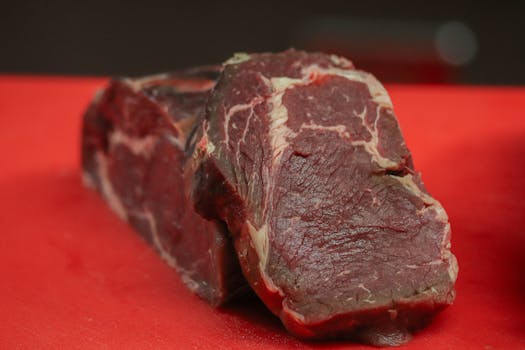 Photo: Boys in Bristol Photography / Pexels
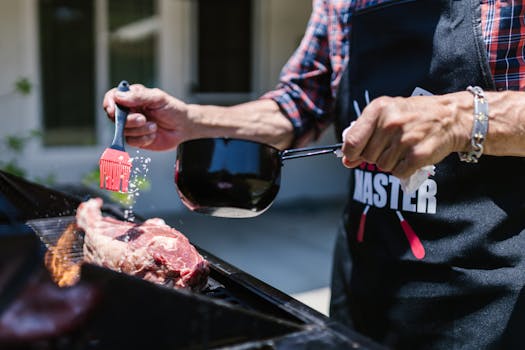 Photo: RDNE Stock project / Pexels
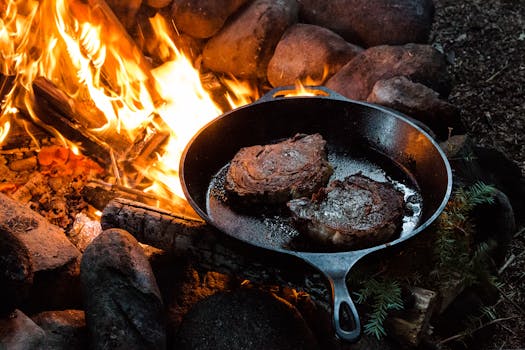 Photo: Loren Castillo / Pexels
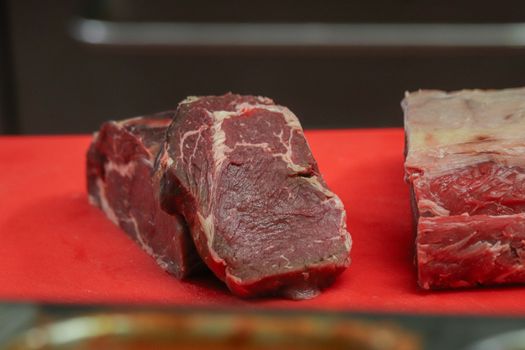 Photo: Boys in Bristol Photography / Pexels