Healthy Meal Prep Ideas for Beginners: Your Easy Start Guide
July 20, 2026 17 min read 3,343 words
Transform your eating habits and reclaim your time with straightforward, delicious meal prep strategies.
Start Prepping Now!
Why Embracing Beginner Meal Planning is a Game-Changer
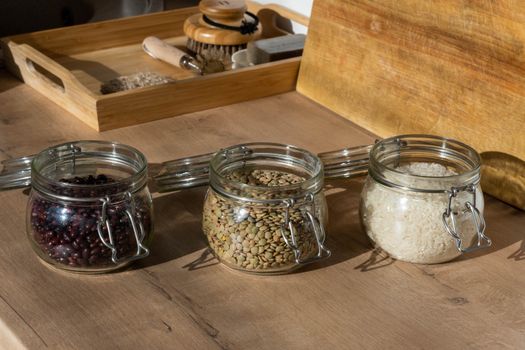 Photo: Ron Lach / Pexels
In our fast-paced world, the idea of consistently eating healthy can feel like an insurmountable challenge. Between demanding work schedules, family commitments, and the endless stream of daily tasks, finding the time and energy to prepare nutritious meals often takes a backseat to convenience. This is where healthy meal prep ideas for beginners truly shine as a transformative solution. It's not just about saving time; it's about reclaiming control over your diet, your budget, and your overall well-being. For many, the journey to healthier eating is derailed by a lack of planning, leading to impulsive, often unhealthy, food choices when hunger strikes and time is short. Meal prepping fundamentally alters this dynamic by ensuring that wholesome, delicious options are always within reach.
The benefits extend far beyond just avoiding takeout. Financially, preparing your own meals at home is almost always more cost-effective than dining out or relying on pre-packaged convenience foods. By purchasing ingredients in bulk, utilizing sales, and minimizing food waste, you can significantly reduce your weekly food expenditures. Environmentally, reducing food waste by carefully planning and using all your purchased ingredients contributes to a more sustainable lifestyle. From a health perspective, meal prepping allows you to control portion sizes, ingredient quality, and nutritional content. You can easily reduce added sugars, unhealthy fats, and excessive sodium commonly found in restaurant and processed foods. This level of control is invaluable for anyone looking to manage weight, address specific dietary needs, or simply improve their general health and energy levels.
For beginners, the thought of meal prepping can seem daunting, conjuring images of elaborate kitchens, endless containers, and gourmet recipes. However, the reality is far simpler and more accessible. Starting small, with just a few meals a week, can build confidence and establish sustainable habits. It's about identifying your personal pain points – perhaps it's breakfast on busy mornings, or consistently grabbing unhealthy lunches at work – and targeting those areas first. The beauty of meal prep is its adaptability. You don't need to prep every single meal for every day of the week right from the start. Even preparing just your lunches for the work week can make a monumental difference in your daily routine and nutritional intake. This foundational step not only streamlines your daily life but also frees up mental bandwidth, allowing you to focus on other priorities without the constant stress of 'what's for dinner?' Moreover, the satisfaction of consistently nourishing your body with home-cooked meals is a powerful motivator to continue and expand your meal prepping efforts. It truly is a sustainable approach to fostering a healthier lifestyle, making it an indispensable tool for anyone looking to eat better without sacrificing precious time or peace of mind.
Discover how simple changes can lead to big impacts on your health.
One of the most compelling aspects of meal prepping for beginners is the psychological relief it offers. The mental load associated with daily meal decisions, grocery shopping, and cooking can be surprisingly heavy. By consolidating these tasks into one dedicated 'prep session,' you free up significant mental energy throughout the rest of your week. Imagine waking up knowing your breakfast is ready, or heading to work with a nutritious lunch packed, eliminating the need to scramble or make last-minute, often less-healthy, choices. This reduction in decision fatigue is incredibly empowering and can positively influence other areas of your life, from productivity to stress management. It transforms eating from a source of daily stress into a consistent source of nourishment and enjoyment. The initial investment of time in planning and prepping pays dividends in saved time, reduced stress, and improved health, making it an invaluable habit for anyone seeking to enhance their quality of life. This strategic approach to food consumption is not merely a diet trend; it's a fundamental shift towards a more organized, healthful, and mindful way of living. It empowers individuals to take proactive steps towards their wellness goals, providing a clear roadmap for consistent, healthy eating habits without the daily grind of culinary decision-making. The simplicity of starting small and gradually building up your meal prep repertoire ensures that it remains an enjoyable and sustainable practice, rather than an overwhelming chore.
Essential Tools and Smart Strategies for Easy Meal Prep Recipes
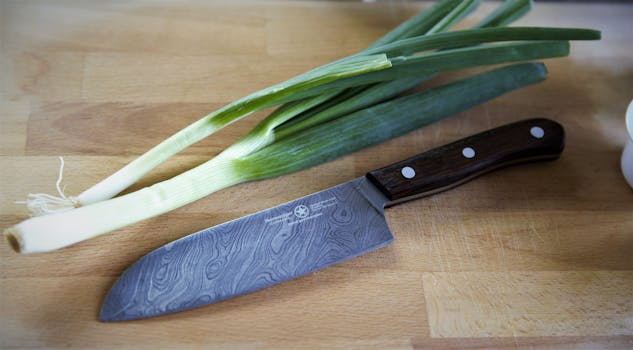 Photo: Sternsteiger Stahlwaren / Pexels
Embarking on your meal prep journey doesn't require a professional kitchen or a vast array of specialized gadgets. However, having a few essential tools and adopting smart strategies can significantly streamline the process, making your easy meal prep recipes even more enjoyable and efficient. Think of these as your foundational elements for success, designed to minimize effort and maximize output. First and foremost, quality food storage containers are non-negotiable. Opt for airtight, microwave-safe, and ideally, dishwasher-safe containers. Glass containers are excellent for reheating and durability, while BPA-free plastic options can be lighter and more budget-friendly. Having a variety of sizes allows for different portion needs, from individual meals to prepped ingredients. Investing in a good set will serve you for years and is crucial for keeping your food fresh and preventing spoilage.
Beyond storage, consider your basic kitchen equipment. A sharp chef's knife and a sturdy cutting board are paramount. These two items alone will make a world of difference in your prep time, transforming tedious chopping into a swift and safe task. Dull knives are not only inefficient but also dangerous. A food processor can be a game-changer for larger batches of chopping, dicing, or shredding vegetables, saving you significant time and effort. Similarly, a slow cooker or instant pot can become your best friend for hands-off cooking of proteins, stews, and grains, allowing you to prepare components while you focus on other tasks or simply relax. These appliances are particularly useful for busy individuals, as they can cook entire meals with minimal supervision, making them perfect for those easy meal prep recipes that require more extensive cooking times.
Now, let's talk strategy. The 'batch cooking' approach is a cornerstone of effective meal prep. Instead of cooking individual servings, cook larger quantities of staple items that can be mixed and matched throughout the week. For example, cook a big batch of quinoa or brown rice, roast a tray of various vegetables, and bake or grill a large protein source like chicken breast or salmon. These components then become versatile building blocks for multiple meals. Another smart strategy is 'theme prepping.' Dedicate a specific day, often Sunday, to your meal prep activities. This creates a routine and mentally prepares you for the task, turning it into a dedicated, efficient session rather than a sporadic, stressful chore. While you might be tempted to cook everything at once, focus on the components that take the longest or are most versatile.
Furthermore, consider 'ingredient prep' versus 'full meal prep.' For beginners, ingredient prep can be less intimidating. This involves washing and chopping all your vegetables, cooking grains, and marinating proteins, but not necessarily assembling full meals. This way, daily cooking becomes much faster, as the most time-consuming steps are already done. This method offers more flexibility for those who enjoy fresh cooking but want to cut down on daily prep time. Finally, don't underestimate the power of a well-organized grocery list. Planning your meals first, then creating a detailed list based on those recipes, will save you time and money at the store and ensure you have all the necessary ingredients. Grouping items by aisle can also make your shopping trip quicker and more efficient. By combining these essential tools with smart, adaptable strategies, you'll find that meal prepping transforms from a perceived burden into a highly effective and enjoyable part of your healthy lifestyle, opening the door to a world of delicious and nutritious easy meal prep recipes.
Delicious and Sustainable Beginner Meal Planning Examples
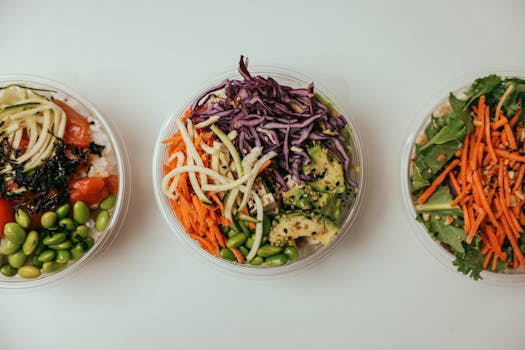 Photo: Cup of Couple / Pexels
Transitioning to a healthier lifestyle often feels like a significant undertaking, especially when it comes to adopting new eating habits. However, with the right beginner meal planning examples, this journey can be surprisingly simple and incredibly rewarding. The key is to start with recipes that are straightforward, use common ingredients, and can be easily scaled up for batch cooking. Forget complex culinary techniques; we're focusing on maximum flavor with minimal fuss. One excellent starting point is the classic 'bowl' concept. Think grain bowls, salad bowls, or even breakfast bowls. These are highly customizable and allow for endless variations, preventing meal fatigue. For instance, a basic grain bowl can consist of cooked quinoa or brown rice as the base, a protein source like shredded chicken or black beans, a variety of roasted vegetables (broccoli, sweet potatoes, bell peppers), and a simple dressing. This format allows you to cook each component in bulk and then assemble different combinations throughout the week, ensuring variety and nutritional balance.
Find more inspiration for balanced bowls.
Another fantastic beginner-friendly option is sheet pan meals. These require minimal cleanup and are incredibly efficient. Simply chop your chosen protein (chicken, sausage, tofu) and an array of vegetables (asparagus, cherry tomatoes, zucchini), toss them with olive oil and your favorite seasonings, and roast them all together on a single sheet pan. Once cooked, these can be portioned out for several meals, served alongside a prepped grain, or even used as a filling for wraps. The beauty of sheet pan meals lies in their simplicity and the ability to cook an entire meal with just one pan, making post-meal cleanup a breeze. Similarly, slow cooker or Instant Pot recipes are perfect for hands-off cooking. Imagine throwing ingredients for chili, pulled chicken, or a lentil soup into your slow cooker in the morning and coming home to a fully cooked, aromatic meal ready for portioning. These methods are particularly useful for those busy weekdays when cooking from scratch is simply not an option.
For breakfast, overnight oats are a perennial favorite among meal preppers. They require no cooking, can be prepared in minutes the night before, and are infinitely customizable with fruits, nuts, and seeds. Prepare several jars at once, and you'll have healthy, ready-to-eat breakfasts for half the week. Similarly, pre-made smoothie packs are a great way to ensure you get a nutrient-dense start to your day. Portion out fruits, vegetables, and protein powder into individual freezer bags. In the morning, simply empty the bag into a blender, add liquid, and blend. These examples demonstrate that beginner meal planning doesn't have to be complicated or time-consuming. It's about choosing efficient recipes that yield multiple servings and can be easily adapted to your taste preferences and dietary needs. By focusing on these accessible and delicious strategies, you'll build confidence in your meal prepping abilities and establish a sustainable routine that supports your health goals without overwhelming your schedule. The transition from sporadic, unplanned eating to consistent, healthy meals will feel less like a chore and more like a natural evolution towards a more balanced and vibrant lifestyle. Remember, consistency is more important than perfection when you're just starting out, so embrace these simple yet effective methods and watch your healthy eating habits flourish.
Common Pitfalls and How to Master Your Weekly Meal Prep
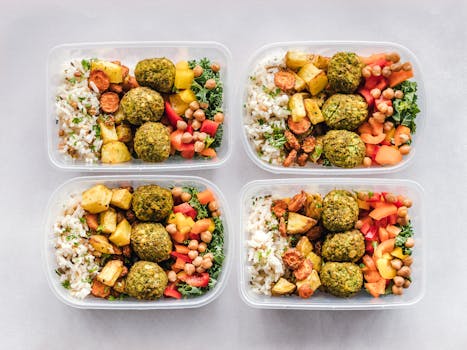 Photo: Ella Olsson / Pexels
While weekly meal prep offers a wealth of benefits, beginners often encounter a few common pitfalls that can derail their efforts. Recognizing these challenges upfront and knowing how to navigate them can significantly increase your chances of success and help you master the art of efficient, healthy eating. One of the most frequent mistakes is trying to do too much too soon. Enthusiasm can lead to attempting to prep every single meal for the entire week, which can be overwhelming and unsustainable. Instead, start small. Choose to prep just your lunches, or perhaps dinners for three days. Gradually increase your scope as you gain confidence and efficiency. This incremental approach prevents burnout and allows you to build sustainable habits.
Another common pitfall is a lack of variety, leading to 'meal prep fatigue.' Eating the same meal day in and day out can quickly make you resent the process. To combat this, embrace versatility. Instead of prepping five identical meals, prep individual components (grains, proteins, roasted vegetables) that can be mixed and matched into different combinations. For example, a batch of roasted chicken can be used in a salad one day, a wrap the next, and alongside quinoa and veggies on another. Experiment with different seasonings and sauces to keep flavors exciting. Don't be afraid to try new recipes or adapt existing ones to prevent boredom.
Poor food storage is another critical area where beginners can falter. Improperly stored food not only loses freshness but can also pose health risks. Invest in good quality, airtight containers and make sure to cool food completely before refrigerating or freezing. Labeling containers with the date and meal type is a simple but effective habit that helps track freshness and prevents waste. Understand the shelf life of different foods; most prepped meals are best consumed within 3-4 days when refrigerated. For longer storage, freezing is an excellent option for many dishes.
Finally, neglecting proper planning and grocery shopping can turn your weekly meal prep into a chaotic experience. Without a clear plan, you might find yourself missing key ingredients or spending too much time wandering the grocery aisles. Before you even step into the kitchen, dedicate time to planning your meals, creating a detailed shopping list, and checking your pantry for existing ingredients. This organized approach ensures you have everything you need, reduces stress, and makes the actual prep session much smoother and more efficient. By being mindful of these common traps and implementing these strategies, you'll transform your weekly meal prep from a daunting task into an enjoyable and highly effective routine that consistently supports your healthy eating goals.
**Common Meal Prep Mistakes & How to Avoid Them:**
* **Mistake:** Over-prepping and burnout.
* **Solution:** Start small, prep 2-3 meals, then gradually increase.
* **Mistake:** Lack of variety leading to boredom.
* **Solution:** Prep components, not just full meals; use different seasonings.
* **Mistake:** Improper food storage.
* **Solution:** Invest in airtight containers, cool food completely, label everything.
* **Mistake:** No clear plan or shopping list.
* **Solution:** Plan meals first, create a detailed list, check pantry inventory.
* **Mistake:** Neglecting food safety.
* **Solution:** Follow safe cooking temperatures, refrigerate promptly, know storage limits.
* **Mistake:** Wasting time on complex recipes.
* **Solution:** Stick to simple, adaptable recipes, especially when starting out.
* **Mistake:** Forgetting snacks.
* **Solution:** Prep healthy snacks like chopped veggies, fruit, or hard-boiled eggs.
