Comparing Promotion vs. Placement Expenses: Food Industry ROI
Comparing Promotion vs. Placement Expenses

Comparing Promotion vs. Placement Expenses: Food Industry ROI

Master the nuances of marketing spend in the competitive food sector to drive profitable growth and brand visibility.

Optimize Your Spend

Key Takeaways

  • ✓ Promotion expenses focus on increasing immediate sales through consumer incentives.
  • ✓ Placement expenses secure physical or digital shelf space for product visibility.
  • ✓ Both are critical for food brands but require distinct strategic approaches.
  • ✓ Understanding the ROI of each is key to sustainable growth in the food industry.

How It Works

1
Define Your Objectives

Clearly articulate what you aim to achieve with your marketing budget. Are you looking for rapid sales boosts, long-term brand presence, or market share expansion?

2
Analyze Your Product & Market

Assess your food product's lifecycle stage, target demographic, and competitive landscape. This dictates whether promotion or placement holds more immediate value.

3
Calculate Potential ROI

Estimate the expected return on investment for various promotional campaigns and placement opportunities. Consider both direct sales and indirect brand benefits.

4
Implement & Monitor

Execute your chosen strategies and meticulously track performance metrics. Be prepared to adjust tactics based on real-time data and market feedback.

Understanding Promotion Expenses in the Food Sector

A person taking photos of a delicious dinner with wine, showcasing a vibrant dining scene indoors. Photo: cottonbro studio / Pexels
In the dynamic and highly competitive food industry, promotion expenses are the lifeblood for driving consumer awareness and immediate sales. These costs encompass a wide array of activities designed to entice consumers to purchase a product, often for a limited time or under specific conditions. Think about the ubiquitous 'Buy One, Get One Free' offers, percentage-off coupons distributed via circulars or apps, or even in-store sampling events that allow customers to taste a new product before committing to a purchase. Digital promotions have also surged in prominence, including social media contests, influencer collaborations, and targeted email campaigns offering exclusive discounts. The goal of these promotional efforts is multifaceted: to clear existing inventory, introduce new products to the market, stimulate repeat purchases, or even to counter competitor initiatives. For a food brand, especially a new entrant or one launching an innovative product, promotions can be a powerful tool to quickly gain traction and build a customer base. However, the effectiveness of promotions is not uniform across all food categories. For example, a staple like milk might benefit less from a deep discount promotion than a novel gourmet snack or a seasonal specialty item. The true challenge lies in striking a balance between offering attractive incentives without devaluing the brand or creating a dependency on discounts among consumers. Over-reliance on promotions can erode profit margins and train customers to only buy when a sale is active, which is a common pitfall for many food businesses. Furthermore, the cost of promotions isn't just the discount itself; it includes the marketing materials, advertising spend to communicate the promotion, administrative costs for coupon redemption, and sometimes even slotting fees if the promotion requires specific in-store display space. Understanding the full scope of these expenses and their direct impact on sales volume and profitability is crucial for any food brand looking to optimize its promotional strategy. It's not enough to simply run a promotion; one must meticulously track its performance, analyzing metrics like redemption rates, incremental sales generated, and the overall impact on the average transaction value. For more insights on optimizing your marketing budget, explore our guide on efficient food marketing strategies. A well-executed promotional campaign can create significant buzz and drive short-term revenue, but it must be integrated into a broader, sustainable marketing plan to yield long-term success.

The Strategic Role of Placement Expenses in Food Retail
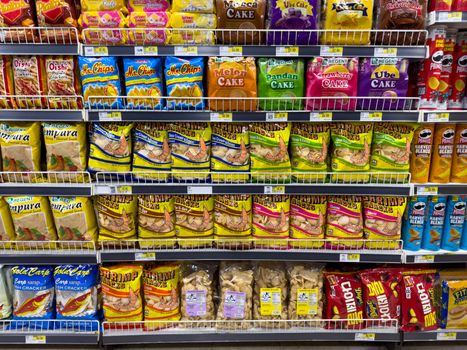
Colorful snack packages neatly displayed in a supermarket aisle showcasing Asian food variety. Photo: Allen Boguslavsky / Pexels
Placement expenses, often less visible to the end consumer but equally, if not more, critical for food brands, refer to the costs associated with securing a product's presence and visibility within retail environments. This is not merely about getting your product onto a store shelf; it's about getting it onto the *right* shelf, at the *right* eye-level, in the *right* section, and with sufficient facings to capture consumer attention. For food products, placement is paramount because consumers often make purchasing decisions impulsively while browsing aisles. Prime shelf space in a grocery store, especially at eye-level or at the end of an aisle (an 'end cap'), can significantly increase a product's chances of being seen and purchased. These desirable locations, however, come at a cost. Slotting fees are a notorious example of placement expenses, where food manufacturers pay retailers a fee to secure shelf space for new products. These fees can vary wildly depending on the retailer, the product category, and the demand for space, often ranging from hundreds to tens of thousands of dollars per SKU per store. Beyond slotting fees, placement expenses can also include merchandising costs, such as paying for dedicated display units, point-of-sale materials, or even personnel to ensure products are stocked correctly and shelves remain tidy. For smaller food brands or startups, these costs can be a significant barrier to entry, making it challenging to compete with established brands that have deeper pockets and long-standing relationships with retailers. The strategic importance of placement extends beyond physical stores to the digital realm. E-commerce platforms also have their version of 'shelf space,' where brands pay for prominent listing positions, sponsored product placements in search results, or inclusion in curated digital aisles. These digital placement expenses are increasingly relevant as more consumers shift to online grocery shopping. The decision to invest in specific placement opportunities requires a thorough understanding of consumer shopping habits within a particular store or online platform. Is your target demographic likely to linger in the organic foods section, or are they rushing through the frozen aisle? Answering these questions helps in allocating placement budgets effectively. While promotions drive temporary spikes, optimal placement ensures consistent visibility and accessibility, serving as a foundation for sustained sales. Without good placement, even the most enticing promotion might go unnoticed. The long-term impact of strong placement is brand familiarity and habitual purchasing, which are invaluable assets in the food industry.

Our partners at escort advertising pricing in Canada, compare listing and promotion costs, advertising plans on Escorts.vc offer related services.

Calculating Return on Investment for Food Marketing Strategies
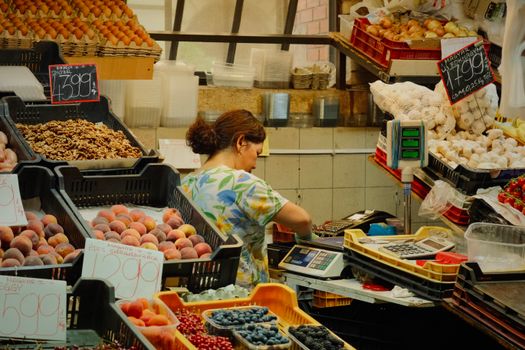
A vibrant market stall in Budapest showcasing fresh produce and a vendor at work. Photo: Luca Buhl / Pexels
Accurately calculating the Return on Investment (ROI) for both promotion and placement expenses is fundamental to making informed strategic decisions in the food industry. Without a clear understanding of what each dollar spent yields, food businesses risk throwing money at ineffective campaigns or missing opportunities for profitable growth. For promotion expenses, ROI calculation typically involves comparing the incremental sales generated by a promotion against the total cost of that promotion. For instance, if a coupon campaign costs $10,000 (including printing, distribution, and discount value) and results in an additional $30,000 in sales that wouldn't have occurred otherwise, the ROI would be 200% (($30,000 - $10,000) / $10,000 * 100%). However, it's crucial to factor in not just the direct sales but also the potential for cannibalization (where the promotion simply shifts sales that would have happened anyway, rather than creating new ones) and the long-term impact on brand perception. A promotion that consistently drives sales but erodes brand value by training customers to wait for discounts might have a misleadingly high short-term ROI. For placement expenses, ROI calculation can be more complex due to the indirect nature of the benefits. While it's harder to attribute specific sales directly to a prime shelf location, one can assess the uplift in sales volume for a product after securing better placement compared to its previous position. Factors like increased foot traffic past an end cap display or higher conversion rates for products at eye-level can be quantified over time. The cost of slotting fees, merchandising, and any associated logistics must be weighed against the sustained sales increase and the invaluable benefit of increased brand visibility and consumer familiarity. Sometimes, the ROI of placement is not just in immediate sales, but in securing distribution, which is a prerequisite for any sales at all. A food brand might accept a lower immediate ROI on placement if it opens doors to a new, lucrative retail chain. Furthermore, a holistic ROI calculation should also consider qualitative factors such as enhanced brand image, competitive advantage gained, and improved retailer relationships. These intangible benefits, while harder to quantify in monetary terms, contribute significantly to long-term business success. Many businesses utilize sophisticated analytics tools and A/B testing to refine their understanding of how different promotional tactics and placement strategies perform. They might test various price points, coupon values, or display types across different stores or regions to identify the most effective approaches. Regular post-campaign analysis and continuous monitoring are essential for optimizing future spending. For further reading on financial planning, consider reviewing our article on managing food business finances. Ultimately, a balanced approach that strategically allocates resources between promotions and placements, underpinned by rigorous ROI analysis, is the hallmark of successful food marketing.

Optimizing Your Food Marketing Budget: Tips and Common Mistakes
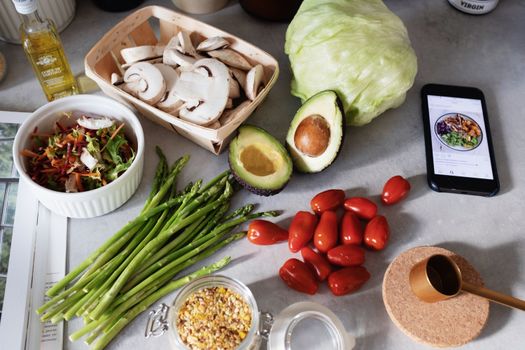
A fresh selection of vegetables and ingredients for preparing a nutritious meal. Photo: ready made / Pexels
Optimizing your food marketing budget requires a keen understanding of both promotion and placement dynamics, coupled with strategic foresight. One of the biggest tips is to start with clear, measurable objectives. Are you launching a new product and need aggressive promotions to gain trial, or is your goal to increase market share for an existing product through better shelf presence? Your objectives will dictate your allocation. Another crucial tip is to segment your target audience and tailor your strategies. A promotion that appeals to budget-conscious families might differ significantly from one targeting affluent gourmands. Similarly, placement in a specialty organic store will have a different cost and expected return than placement in a discount supermarket. Leverage data analytics to understand consumer behavior and purchase patterns. This data can inform which promotions resonate most and which placement strategies yield the highest sales lift. Don't be afraid to conduct small-scale tests or pilot programs before rolling out a large-scale campaign. This allows you to gather real-world data and make adjustments without committing significant resources upfront. Building strong relationships with retailers is also paramount. Good rapport can sometimes lead to more favorable placement terms or collaborative promotional opportunities, reducing your direct expenses. Finally, continuously monitor and evaluate your efforts. What worked last quarter might not work this quarter due to market shifts or competitor actions. Adaptability is key. Common mistakes to avoid include: * **Over-reliance on Discounts:** Constantly offering deep discounts can train consumers to wait for sales, devaluing your brand and eroding profit margins. * **Ignoring Placement Quality:** Simply getting your product into a store isn't enough. Poor placement (e.g., bottom shelf, hidden sections) can render even the best product invisible. * **Lack of Clear Metrics:** Failing to define and track key performance indicators (KPIs) for each campaign makes it impossible to assess effectiveness and justify future spending. * **Underestimating Hidden Costs:** Forgetting to account for all associated costs, such as marketing materials, administrative fees, or follow-up merchandising, can lead to inaccurate ROI calculations. * **Failing to Adapt:** Sticking to outdated strategies or being unwilling to pivot based on market feedback and performance data can lead to wasted resources. * **Neglecting Digital Presence:** In today's market, ignoring online promotions and digital placement can severely limit your reach and growth potential, especially for grocery delivery and e-commerce. By avoiding these common pitfalls and implementing smart, data-driven strategies, food businesses can significantly enhance the effectiveness of their marketing spend.

Comparison

FeaturePromotion ExpensesPlacement ExpensesCombined Strategy
Primary GoalDrive immediate sales/trialEnsure product visibility/accessibilityAchieve both short-term sales & long-term presence
Typical CostsDiscounts, coupons, advertising, samplingSlotting fees, merchandising, display unitsIntegrated budget for both
Short-term ImpactHigh potential for sales spikesConsistent, foundational sales growthSynergistic, accelerated growth
Long-term ImpactRisk of brand devaluation, consumer discount dependencyBuilds brand familiarity, habitual purchasesSustainable brand equity & market share
MeasurementSales uplift, redemption rates, customer acquisition costSales lift due to position, distribution reachHolistic ROI considering all factors
Best ForNew product launches, clearing inventory, competitive responseSecuring market presence, consistent salesDominating market, establishing strong brand

What Readers Say

"This article completely changed how we view our marketing budget for our artisanal bread company. Understanding the distinct roles of promotion vs. placement expenses allowed us to reallocate funds more effectively, leading to better shelf visibility and more targeted promotions."

Sarah J. · Austin, TX

"As a small food startup, we were constantly struggling with where to put our limited marketing dollars. This guide provided the clarity we needed to prioritize placement initially, then strategically layer on promotions. Our sales growth has been much more consistent."

Mark D. · Chicago, IL

"The detailed breakdown of ROI calculation for both promotion and placement was invaluable. We implemented the suggested metrics, and for the first time, we have a clear picture of which campaigns are truly driving profit, resulting in a 15% increase in marketing efficiency."

Emily R. · Miami, FL

"While the article is incredibly thorough, I would have liked a bit more emphasis on digital placement strategies specifically for niche food products. Nevertheless, the core principles for comparing promotion vs. placement expenses are exceptionally well-explained and actionable."

David L. · Seattle, WA

"We operate a regional organic snack brand, and the section on common mistakes resonated deeply. We were definitely over-reliant on discounts. This article helped us shift our focus to securing better retail placement, which has stabilized our sales and strengthened our brand image."

Jessica M. · Denver, CO

Frequently Asked Questions

What is the primary difference between promotion and placement expenses in the food industry?

Promotion expenses are costs associated with activities designed to stimulate immediate sales or trial, such as discounts, coupons, and advertising. Placement expenses, on the other hand, are costs incurred to secure physical or digital space for a product, ensuring its visibility and accessibility to consumers, like slotting fees or prime shelf positioning.

Which type of expense is more important for a new food product launch?

Both are crucial, but often, a new food product requires a strategic combination. Initial placement secures its presence, while promotions drive trial and awareness. Without placement, promotions can't be executed, and without promotions, a new product might languish on the shelf. The balance depends on the product category and competitive landscape.

How can small food businesses compete with larger brands regarding placement expenses?

Small businesses can focus on niche retailers, farmers' markets, or direct-to-consumer channels where slotting fees are less prevalent or non-existent. Building strong relationships with independent grocers and demonstrating unique product value can also help secure more favorable placement terms. Leveraging digital placement on e-commerce platforms with lower entry barriers is also a viable strategy.

Are promotion expenses always a good investment for increasing sales?

Not necessarily. While promotions can boost short-term sales, over-reliance can devalue your brand, erode profit margins, and train customers to only buy when a discount is offered. It's essential to use promotions strategically, track their long-term impact, and ensure they align with your overall brand positioning.

How do I measure the ROI of placement expenses when sales are indirect?

Measuring placement ROI involves comparing sales data from before and after securing better placement, considering the costs involved. You can also track metrics like increased foot traffic past a display, higher conversion rates for products at eye-level, or expanded distribution numbers. While harder to quantify precisely than promotions, the long-term consistent sales and brand visibility are the key indicators.

Who should be responsible for comparing promotion vs. placement expenses within a food company?

Ideally, a cross-functional team involving marketing, sales, and finance should collaborate on this. Marketing brings consumer insights and promotional expertise, sales provides retailer relationships and market feedback, and finance ensures profitability and budget adherence. This holistic approach ensures a balanced and effective strategy.

What are the risks of neglecting either promotion or placement?

Neglecting promotions can lead to slow product adoption, missed opportunities for sales spikes, and difficulty in clearing inventory. Neglecting placement means your product might never be seen by consumers, regardless of how good it is, leading to poor sales, limited distribution, and a struggle to build brand awareness.

What future trends might impact how food companies manage these expenses?

Future trends include the increasing importance of e-commerce and digital placement, personalized promotions driven by AI and data analytics, a greater focus on sustainable and ethical sourcing influencing consumer choice (and thus placement decisions), and the rise of subscription box models requiring unique promotional and placement strategies. Data-driven decision-making will become even more critical.

Mastering the balance between promotion and placement expenses is not just an art, but a science essential for success in the competitive food industry. By strategically comparing promotion vs. placement expenses, you can unlock greater profitability and sustainable growth for your food brand. Start optimizing your marketing spend today to build a stronger presence and drive lasting consumer loyalty.

Topics: Comparing Promotion vs. Placement Expensesfood marketing strategyretail placement costsfood promotion ROIgrocery store marketing
Leo List
Brampton weed
Adultwork